You opened a jar of homemade kimchi and it hit you with way more tang than you expected. If you want to learn how to make kimchi less sour without ruining the spicy-salty depth you love, you're in the right place. You’ll get quick fixes for an over-fermented batch and tweaks to keep future jars balanced.
The secret tweaks are small: shorter fermentation, cold-storing at the right time, gentle rinses, or a sweet counterpoint. I often use wide-mouth mason jars for even fermenting and ceramic fermentation weights so brine stays under the surface.
Read on for practical steps, timings, and product tips you can use immediately to make kimchi less sour while keeping its classic flavor.
Preparing your ingredients for balanced kimchi
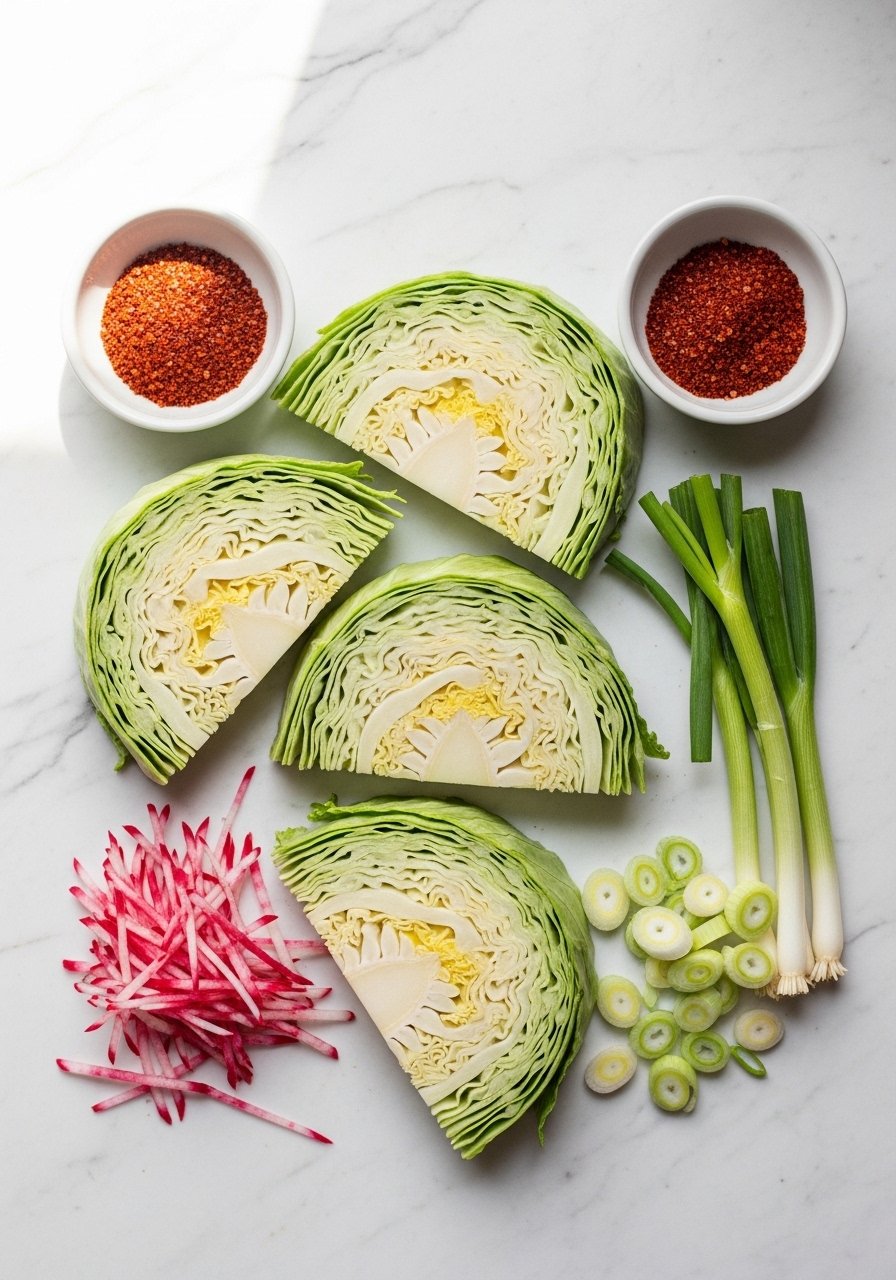
Prevention is easier than fixing: start with the right salt ratio and evenly mixed paste. Weighing ingredients stops guesswork — aim for 2–2.5% salt by weight for napa cabbage (roughly 3 tablespoons kosher salt for a medium head). Use a digital kitchen scale if you want precision.
Quick prep tips:
- Trim and halve cabbage; salt leaves between layers for 1–2 hours until wilted.
- Keep paste balanced: 2–3 tablespoons gochugaru per cup of veg, plus garlic, ginger, fish sauce, and a splash of sugar or grated Asian pear.
- A sharp chef's knife speeds prep and keeps cuts clean, which helps texture during fermentation.
Controlling fermentation so it doesn't get too sour
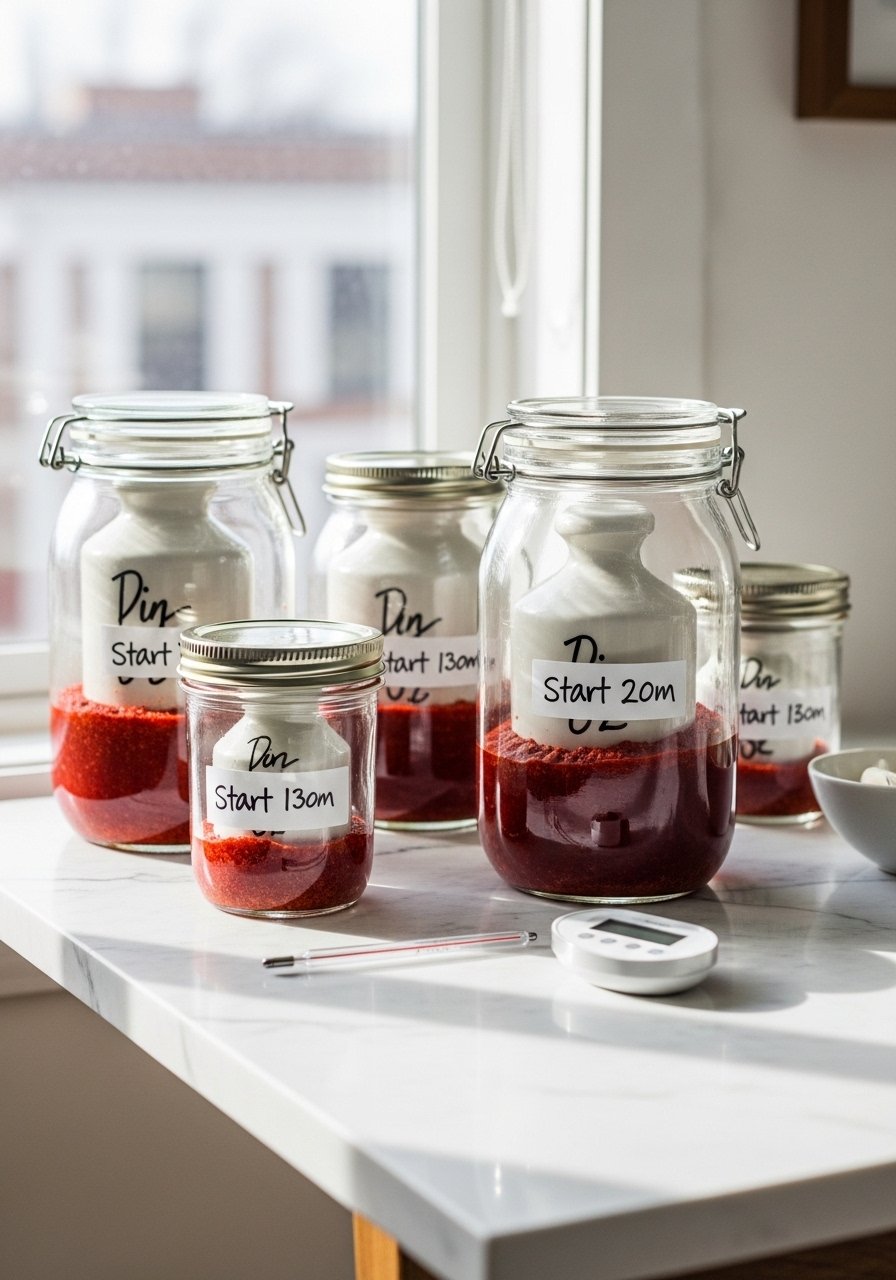
Temperature and time dictate sourness. Warmer temps speed lactic acid production and increase tang.
How to control it:
- Ferment at 65–72°F (18–22°C) for a milder tang; at 72–75°F it will sour faster.
- Check after 24 hours, then every 12–24 hours. Move to the refrigerator when the flavor is just slightly tangy — cold slows fermentation.
- Use an instant-read thermometer to gauge ambient jar temperature if your kitchen fluctuates.
Extra tips:
- Use airtight glass storage containers or mason jars to limit oxygen exposure.
- Keep jars on a tray; brine can bubble and overflow early in fermentation.
Fixing a batch that's already too sour
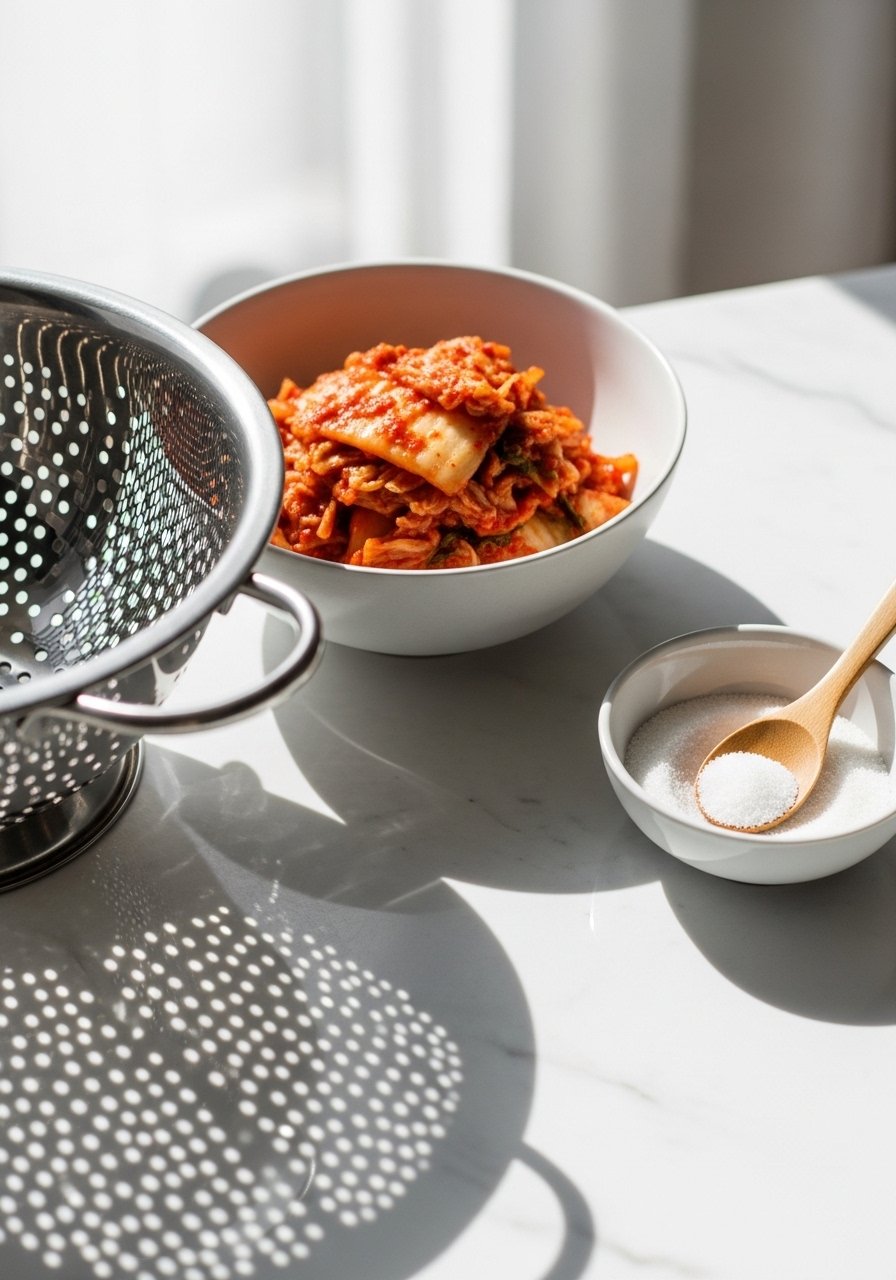
If your kimchi is already too sour, you can mellow it without losing all the flavors.
Quick fixes:
- Rinse lightly: Put kimchi in a colander and rinse with cold water for 10–20 seconds to wash off some brine. Pat dry and taste — this reduces sourness but also removes some spice.
- Add sweet counterpoints: Fold in 1–2 teaspoons of honey or 2 tablespoons of grated Asian pear per cup of kimchi to balance acidity.
- Cook with it: Use sour kimchi in a stew or fried rice — cooking softens acidity and highlights savory notes.
Helpful products:
- Transfer portions into small glass jars if you plan to tweak or mix-in additions.
- Stir and fold gently with a silicone spatula so you don't crush the cabbage.
Warnings:
- Don’t add too much sugar — it can restart fermentation.
- Avoid large amounts of baking soda; it neutralizes acid but ruins texture and can create off-flavors.
Finishing, storing, and meal-prep uses for mellow kimchi
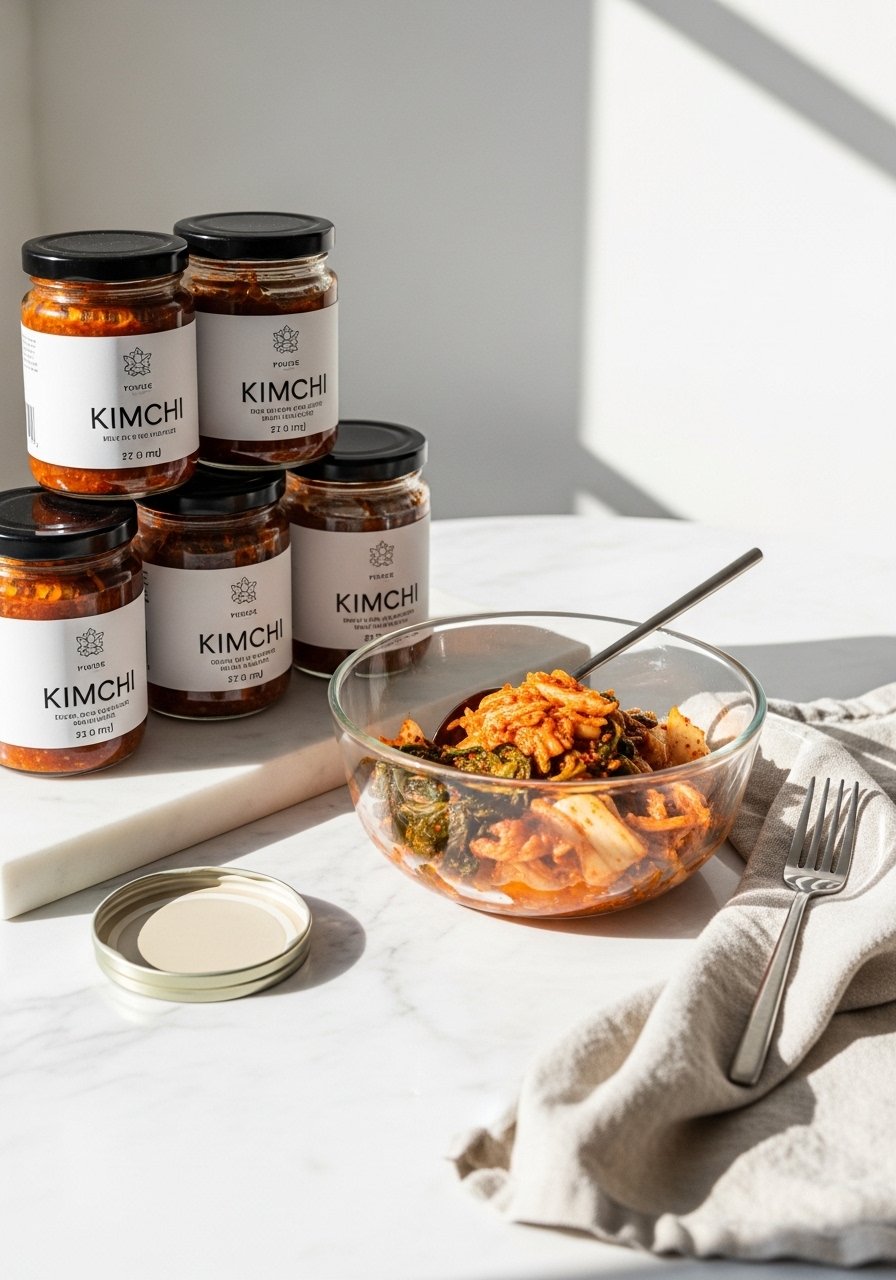
Once the flavor is where you want it, slow fermentation by refrigerating. Cold storage extends life and keeps sourness stable.
Storage and serving:
- Refrigerate once tasting slightly tangy; kimchi will continue to slowly ferment in the fridge.
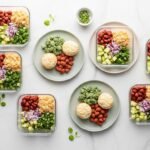
- Store extras in glass meal prep bowls or labeled freezer bags if you plan to freeze portions.
- For weekly use, keep a small serving jar at the front of the fridge for ready-to-eat kimchi.
Make-ahead idea:
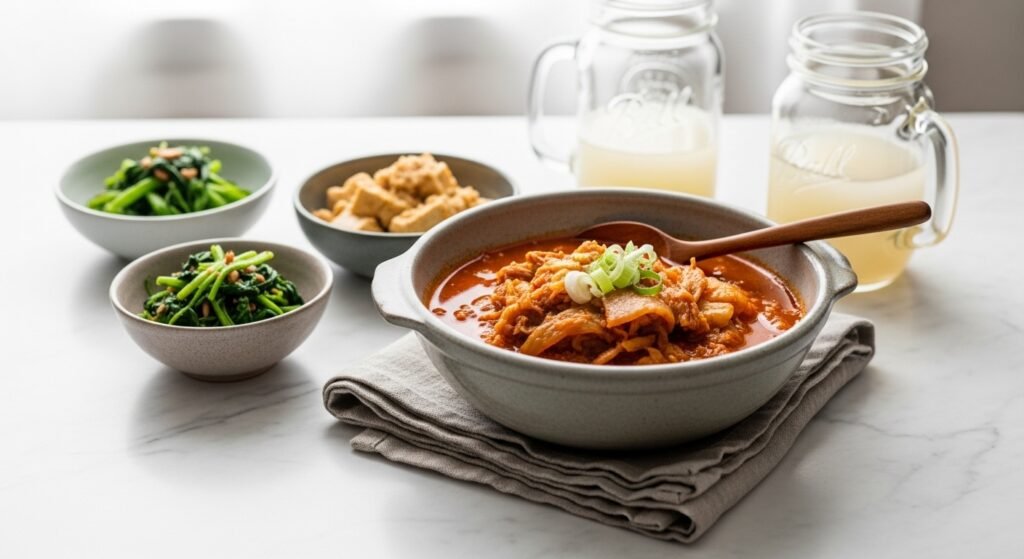
- Blend sour kimchi with stock and use as a base for kimchi jjigae or a marinade — cooking will take the edge off and create rich depth.
You’ve got the tools and steps to adjust flavor, control fermentation, and rescue a too-tangy batch. Try one tweak at a time so you know what changes the flavor the most. Which of these fixes will you try first? Save this guide and pin it for your next jar — and consider keeping a set of wide-mouth mason jars on hand for consistent results.