You love bold flavors but hate when homemade kimchi turns out too soft, too salty, or flat. If you've tried once and given up, this friendly guide shows you exactly how to ferment kimchi so it’s crisp, tangy, and consistent every single time. Read fast, cook calmly, and avoid common pitfalls.
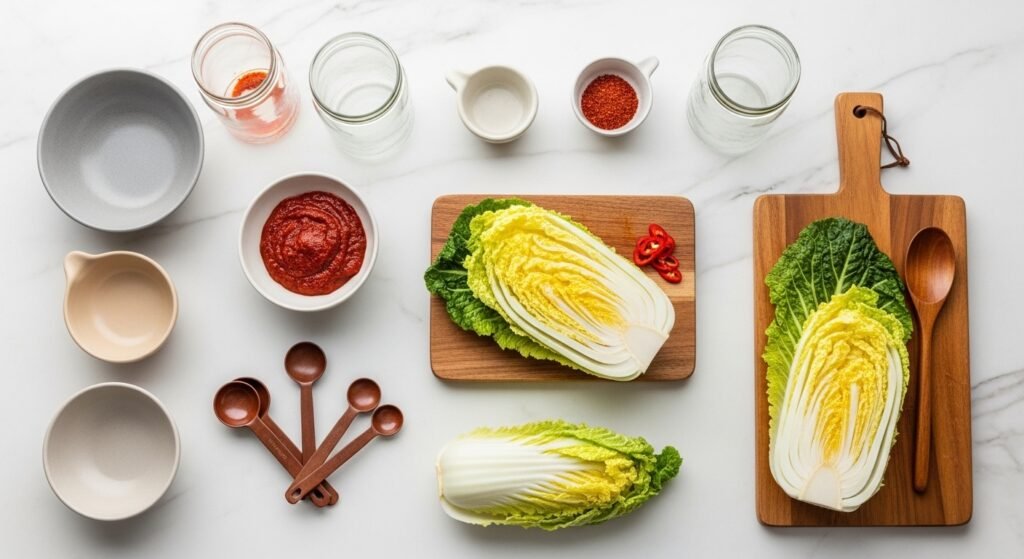
The secret tools that help are simple: a reliable digital kitchen scale to weigh your salt and paste for repeatable results and a set of wide-mouth mason jars or an airtight fermentation kit to keep veggies submerged. Those two changes alone will improve how to ferment kimchi in one go.
You'll learn prep timings, exact brining tips, how to pack jars without trapping air, expected fermentation windows, and smart storage tricks for meal prep. Follow each step and you'll confidently ferment kimchi that’s ready when you want it.
Preparing Your Ingredients (easy prep)
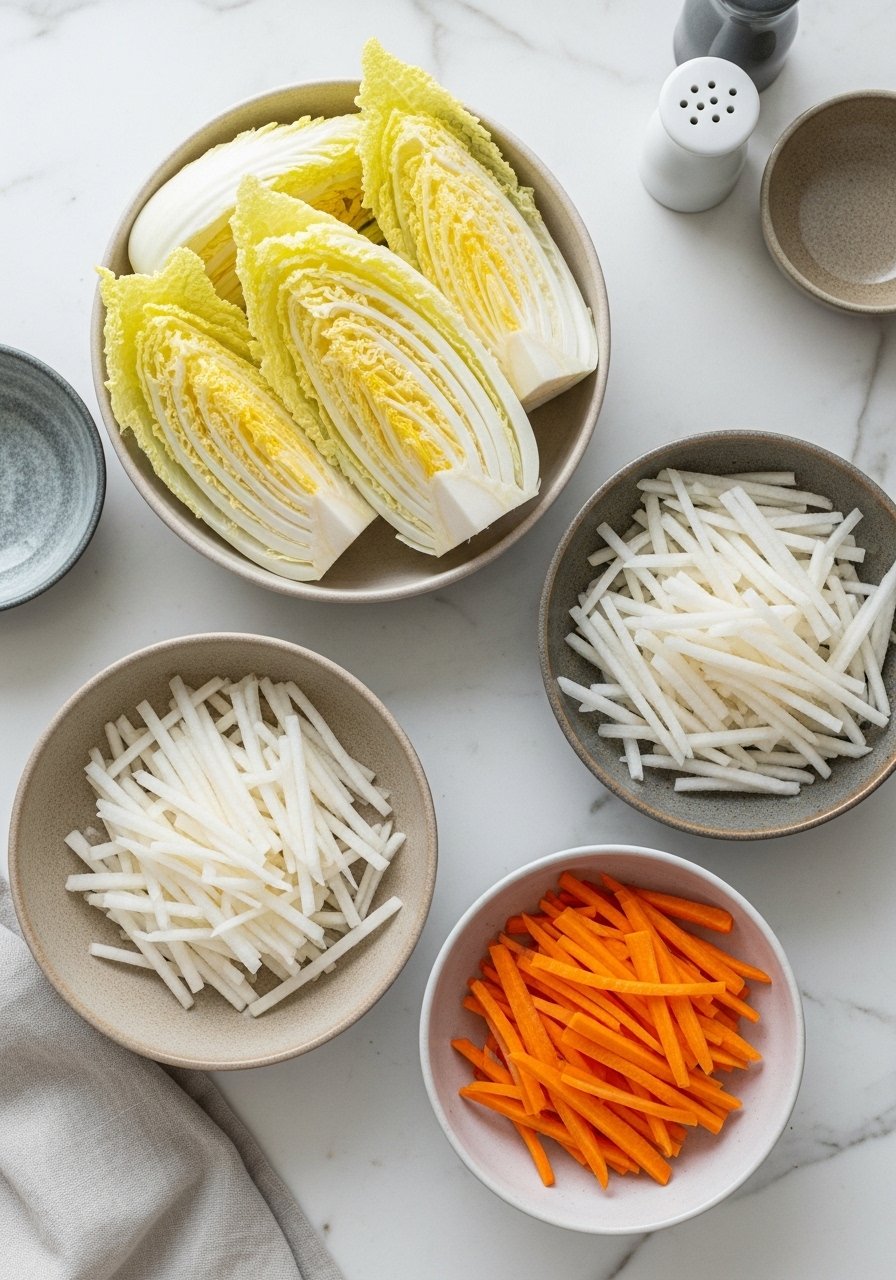
- Start with 2 medium napa cabbages (about 4 lb) — trim, quarter, and rinse.
- Sprinkle ¾ cup kosher salt between layers while you work; rub to coat. Let sit 1.5–2 hours, flipping every 30 minutes until leaves are limp and flexible.
- Rinse cabbage thoroughly under cold water, then drain in a colander for 20 minutes.
Tools that speed prep:
- Use a sharp chef’s knife and a sturdy bamboo cutting board to chop cleanly.
- A food processor with a shredding disc fast-tracks julienning the daikon and carrots.
The Paste and Mixing Technique (mix like a pro)
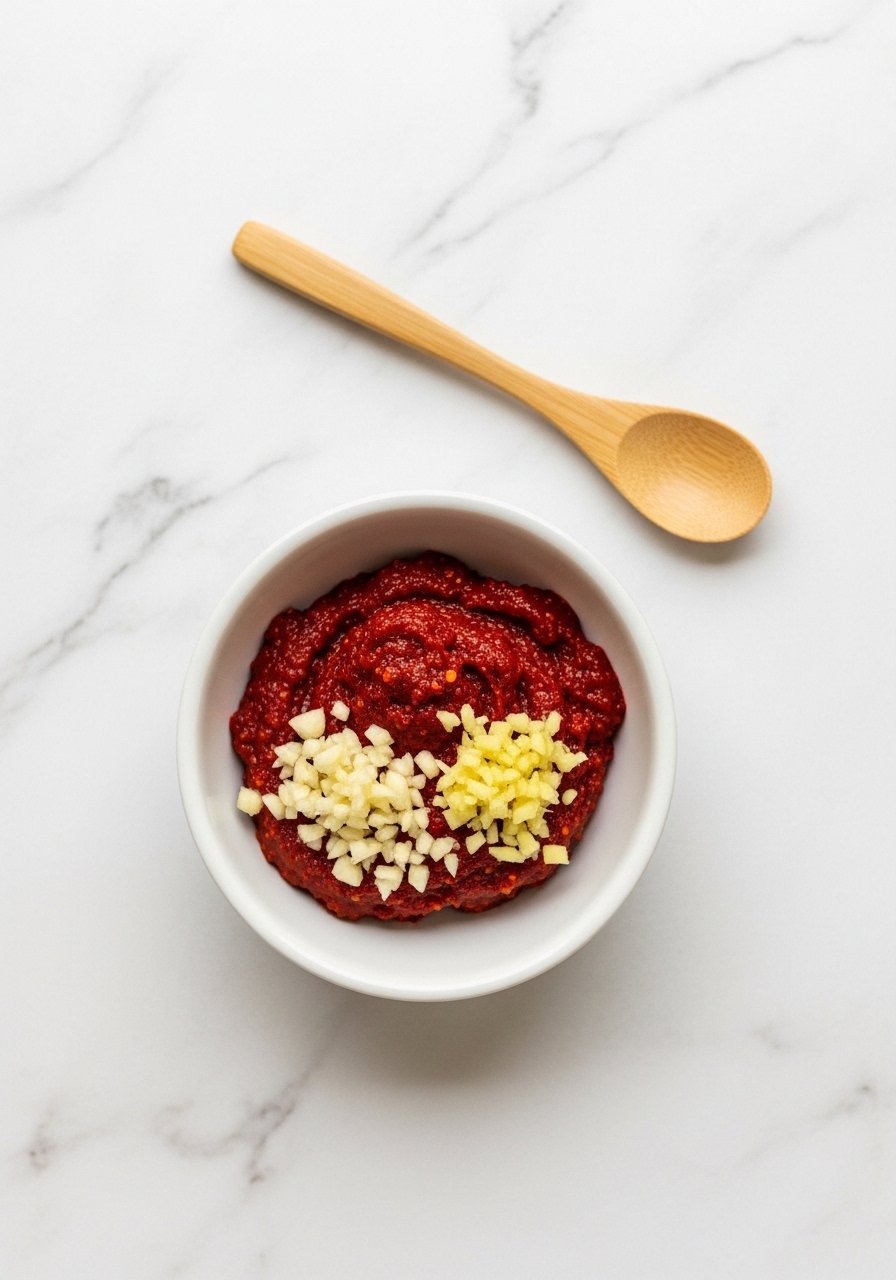
Make a flavorful paste that coats every leaf:
- Combine 1 cup gochugaru, 6 cloves minced garlic, 2 tbsp grated ginger, 3 tbsp fish sauce, 2 tsp sugar, and ½ cup water in a bowl.
- Add 3/4 cup salted shrimp (saeujeot) if you like a classic profile.
Mixing tips:
- Massage the paste into the cabbage with gloves or use a silicone spatula to protect your hands.
- Weighing the paste with your digital kitchen scale helps you repeat the same heat level every batch.
Packing, Fermenting Time, and Temperature (master the ferment)
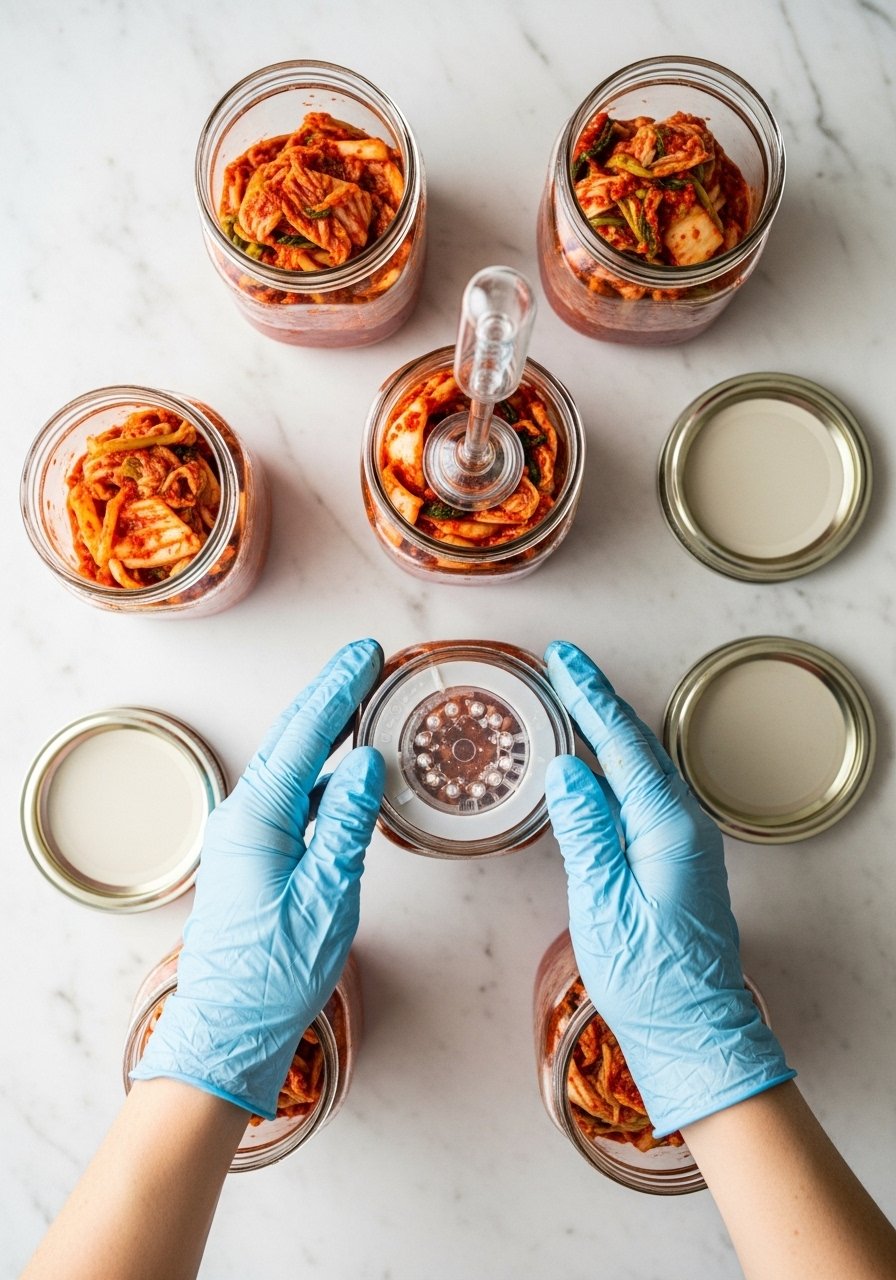
- Pack the kimchi into wide-mouth mason jars or a fermentation crock, pressing down so liquid rises above solids. Leave 1–1.5 inches headspace.
- Use a fermentation lid kit or a jar weight to keep veggies submerged and allow CO2 to escape.
- Ferment at 65–72°F: expect tang in 3–5 days at 68°F; warmer temps shorten the window to 1–3 days, cooler slows to 7–14 days.
Daily routine:
- Check jars once daily, press down, and release gas.
- Taste after day 3; when acidity suits you, move jars to the fridge to slow fermentation.
Troubleshooting Common Kimchi Problems (quick fixes)
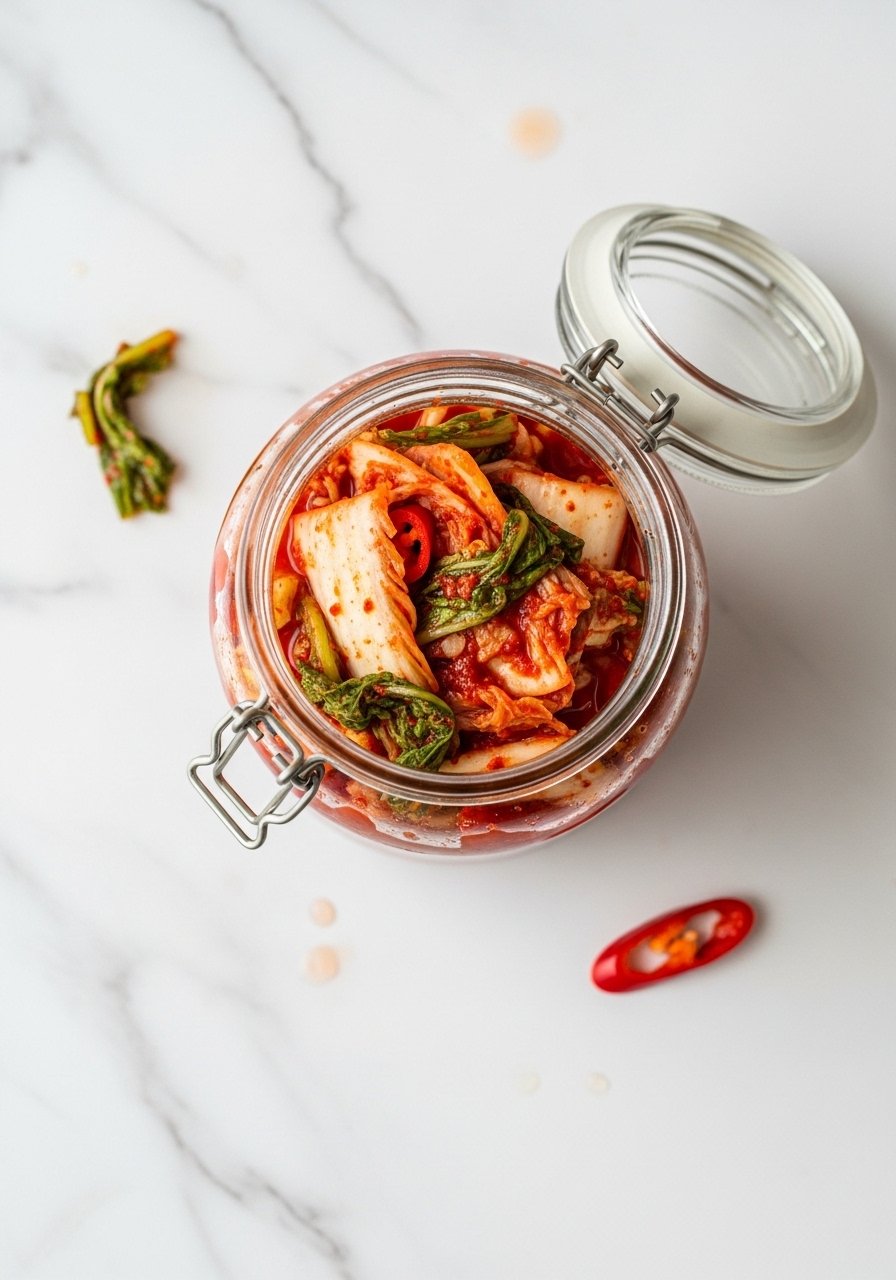
- If your kimchi is too salty, rinse cabbage more thoroughly next time and reduce salt by 10–15%. For current batch, submerge with extra freshwater brine briefly, then drain.
- If it becomes mushy, you likely over-brined or fermented too long at high heat. Store future batches colder and reduce brine time.
- If you see white scum on top, skim it off — it’s harmless yeast. Mold (fuzzy, colored) means discard the top layer and adjust technique: keep everything submerged and sanitize jars.
Helpful gear:
- Store extras in airtight glass containers for side dishes.
- Label jars and freeze portions flat inside freezer bags for long-term meal prep.
Once you get the hang of how to ferment kimchi, you’ll enjoy consistent results and a fridge full of flavor. Save this guide, grab a good set of mason jars and your digital kitchen scale, and pin this for later. Which step will you try first?