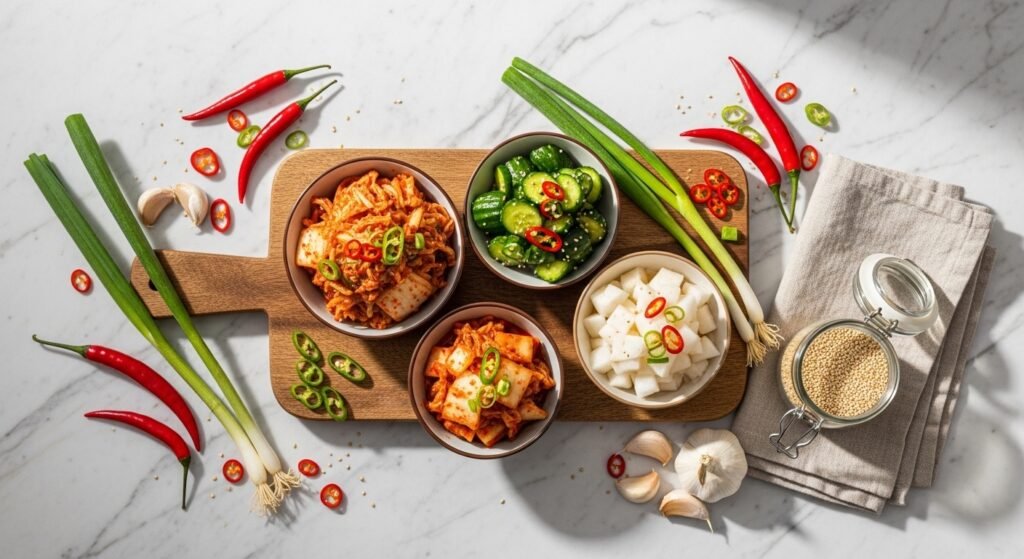
You love bold, tangy kimchi but want to skip the fish sauce — whether for dietary reasons, allergies, or personal taste. These 23 creative kimchi recipes without fish sauce prove you can get that signature sour-spicy hit without any anchovy or shrimp paste. Each version leans on simple swaps—soy, miso, tamari, seaweed, or shiitake umami—to replace the briny depth fish sauce usually provides.
You’ll find quick refrigerator kimchis, slow-fermented classics, vegan and keto-friendly twists, and fun fusion ideas for tacos, pancakes, and pasta. Prep tips, exact measurements, and clear timing are included so you nail texture and tang every time. Grab a reliable chef’s knife for crisp slicing and a set of mason jars to ferment small batches. Ready to make kimchi at home without fish sauce? Let’s get chopping.
1. Classic Napa Kimchi — kimchi recipe without fish sauce
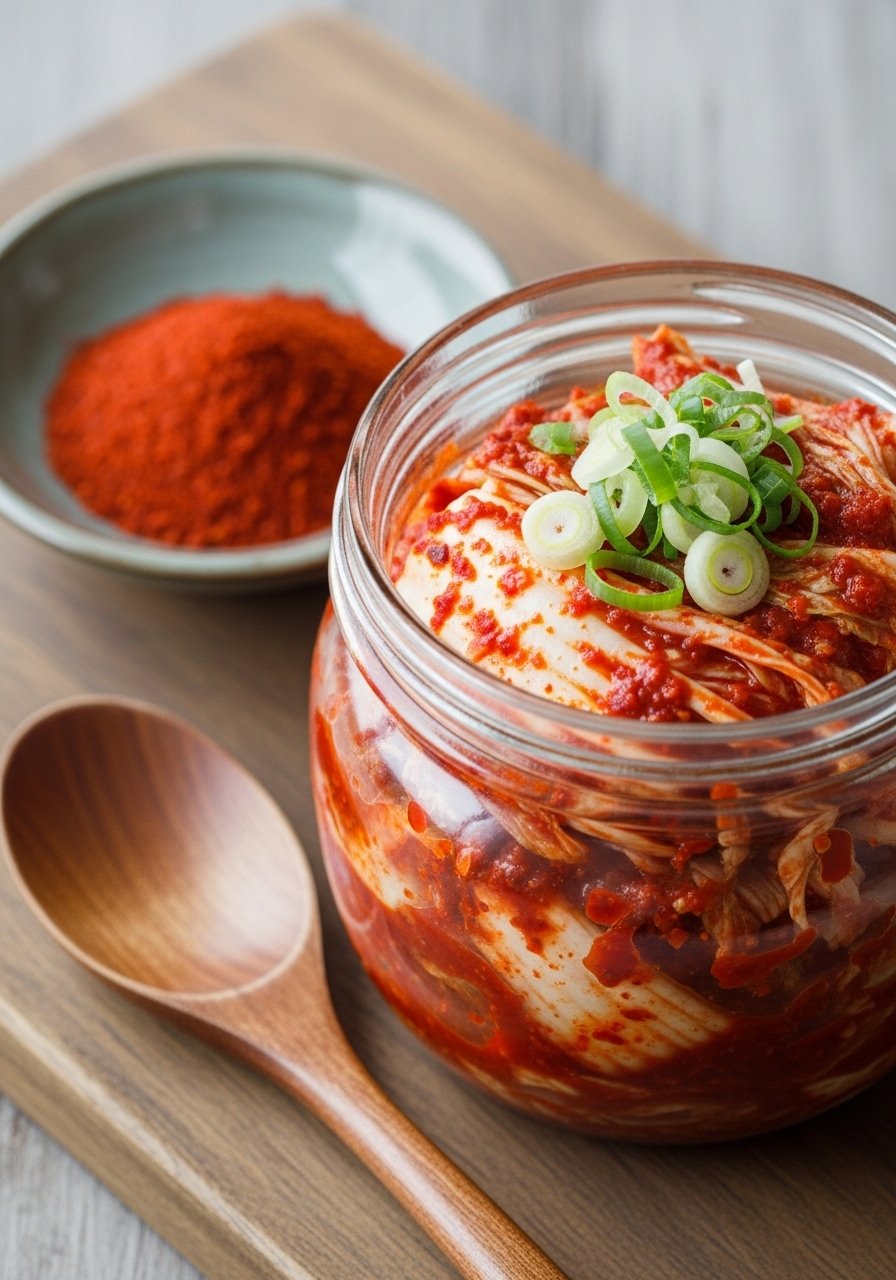
This is the straightforward napa cabbage kimchi everyone loves, retooled as a kimchi recipe without fish sauce. It’s tangy, garlicky and ferments to that craveable fizzy bite. You’ll get the same savory backbone by using rehydrated dried shiitake and a touch of miso for umami.
Ingredients
- 2 heads napa cabbage (about 6 lbs), halved lengthwise
- 1 cup kosher salt (for brining)
- 6 cups water
- 1 cup gochugaru (Korean red pepper flakes)
- 1/4 cup white miso paste
- 6 cloves garlic, minced
- 2-inch knob fresh ginger, grated
- 1 medium carrot, julienned
- 6 scallions, cut into 1-inch pieces
- 1/2 cup rehydrated dried shiitake mushrooms, finely chopped
- 2 tbsp sugar (or substitute with coconut sugar)
Instructions
- Separate cabbage leaves and rinse. In a large bowl, dissolve 1 cup salt in 6 cups water and soak cabbage for 2 hours, turning every 30 minutes until pliable.
- Rinse cabbage well under cold water twice and drain thoroughly. Pat dry.
- Make paste: combine gochugaru, miso, garlic, ginger, sugar, and shiitake in a bowl. Use a wooden spoon to mix into a smooth paste.
- Wearing gloves, spread paste between each cabbage leaf and layer carrots and scallions.
- Pack tightly into clean mason jars leaving 1 inch headspace. Press down to remove air pockets.
- Leave at room temperature for 24–48 hours to start fermenting, checking daily for bubbling. Then refrigerate; flavor continues to develop. Use within 3 months for best taste.
How to Serve It
Serve with plain steamed rice, grilled meats, or as a condiment on sandwiches. Garnish with toasted sesame seeds and a drizzle of sesame oil. Store in mason jars in the fridge; keep jars capped but slightly loosen lids during active bubbling. Great to make ahead—flavor improves after 3–5 days.
2. Quick Refrigerator Kimchi (30-Minute Prep) — kimchi recipe without fish sauce

Want kimchi today, not weeks from now? This refrigerator kimchi is a lovely kimchi recipe without fish sauce that gets tangy in 1–2 days. It’s crisp, less fermented, and perfect for meal prep or when you don’t want strong funk.
Ingredients
- 1 medium napa cabbage (about 2 lbs), thinly sliced
- 1 tbsp salt
- 3 tbsp gochugaru
- 2 tbsp soy sauce (or tamari for gluten-free)
- 2 tbsp rice vinegar
- 1 tbsp maple syrup
- 4 cloves garlic, minced
- 1 tsp grated ginger
- 2 scallions, thinly sliced
- 1 small cucumber, sliced into half-moons
Instructions
- Toss cabbage with 1 tbsp salt and let sit 20 minutes, then drain and squeeze gently to remove excess water.
- Whisk gochugaru, soy sauce, rice vinegar, maple syrup, garlic, and ginger in a bowl.
- Combine cabbage, cucumber, scallions, and dressing. Mix thoroughly.
- Pack into a glass jar and press down.
- Refrigerate at least 12–24 hours before eating; taste daily until you reach desired tang.
- Keeps in fridge up to 2 weeks.
How to Serve It
Spoon over tacos, rice bowls, or mix into coleslaws. Store in airtight containers to keep crisp. Make a bigger batch for weekly lunches.
3. Spicy Vegan Kimchi — kimchi recipe without fish sauce
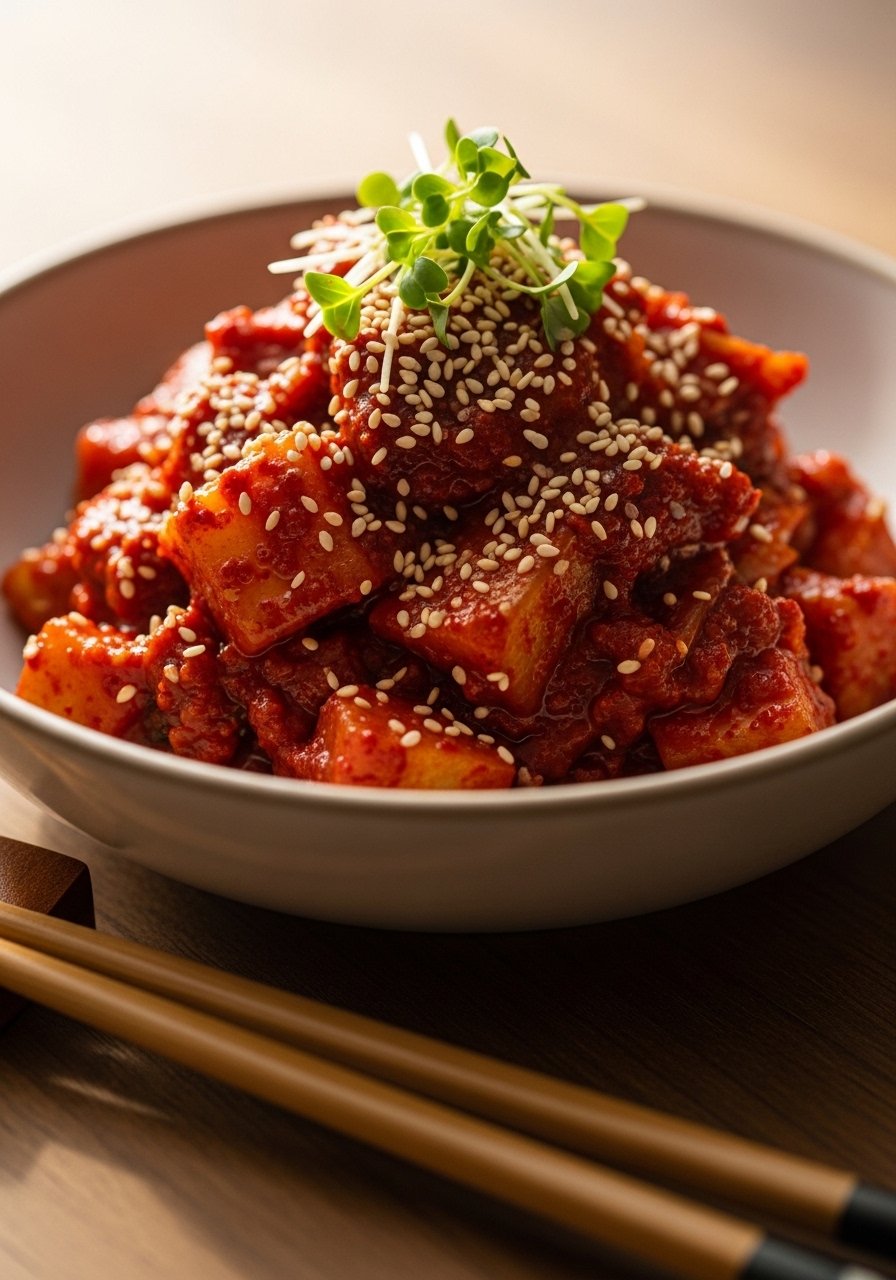
This vegan kimchi skips fish sauce and uses tamari and kelp powder for oceanic depth. It’s spicy, slightly sweet, and perfect for vegans who want authentic texture and umami.
Ingredients
- 1 medium napa cabbage, chopped
- 1/4 cup kosher salt
- 1/2 cup gochugaru
- 3 tbsp tamari (or soy sauce)
- 2 tbsp kelp powder (or 1 sheet kelp blended)
- 1/4 cup grated apple
- 6 cloves garlic, minced
- 2 tbsp grated ginger
- 4 scallions, sliced
- 2 tbsp rice syrup or honey for non-vegan
Instructions
- Salt cabbage and let sit 1.5–2 hours until wilted. Rinse and drain.
- Blend tamari, kelp powder, apple, garlic, ginger, and rice syrup into a paste. Use a food processor for a smooth mix.
- Mix paste with cabbage and scallions until evenly coated.
- Pack into jars, leaving 1 inch headspace. Press out air bubbles.
- Ferment at room temp 24–72 hours depending on your taste, then refrigerate.
- Taste after 2 days and refrigerate when preferred tang achieved.
How to Serve It
Great in sandwiches, on avocado toast, or mixed into grain bowls. Store in mason jars. For travel, pack into glass meal prep containers.
4. Quick Shiitake Kimchi — savory, no fish
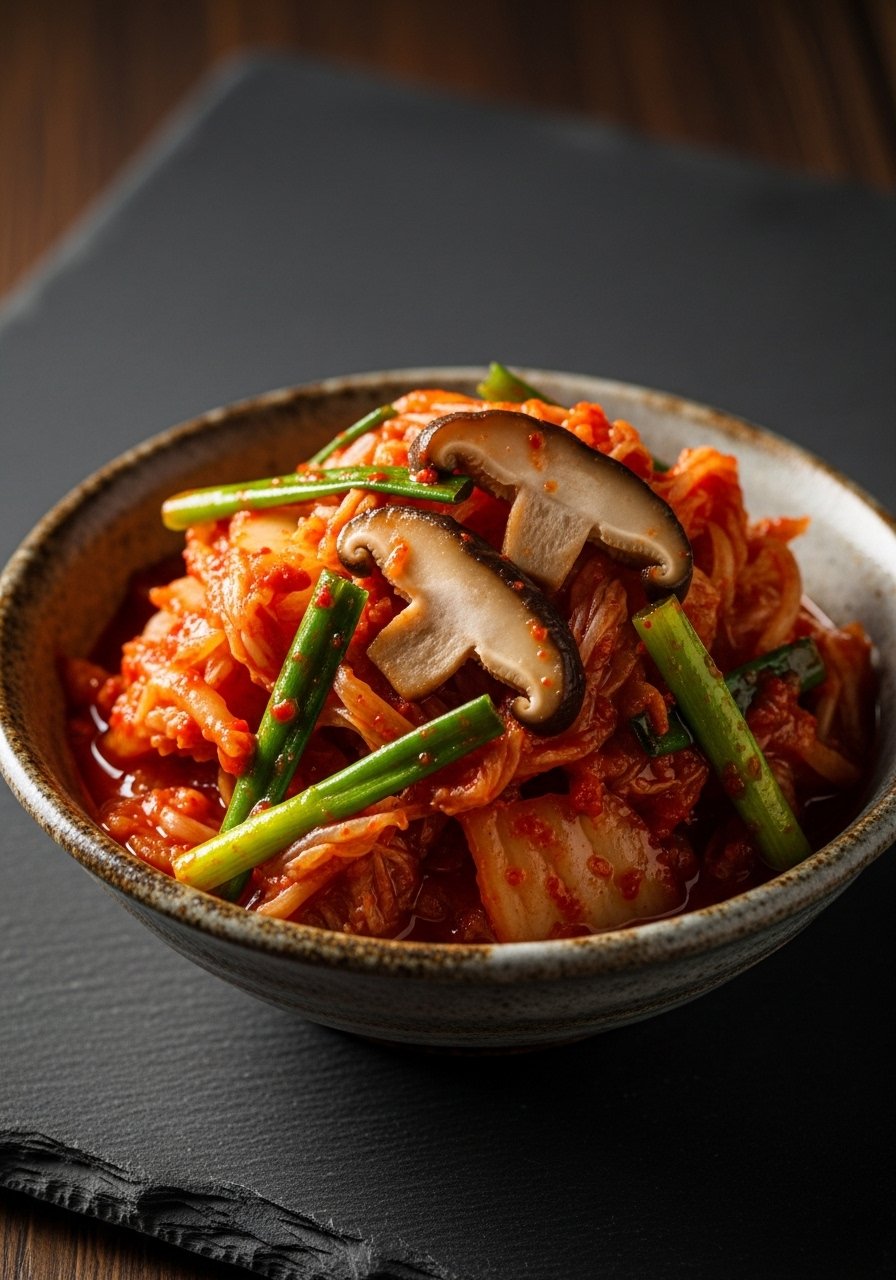
Dried shiitake creates deep mushroomy umami that replaces fish sauce beautifully. This kimchi has rich savory notes and a chewy texture from the mushrooms—perfect alongside roasted vegetables.
Ingredients
- 1 medium napa cabbage, chopped
- 1/4 cup kosher salt
- 1/2 cup dried shiitake, rehydrated and chopped
- 1/3 cup gochugaru
- 3 tbsp white miso
- 4 cloves garlic, minced
- 2 tbsp soy sauce
- 2 tbsp rice vinegar
- 3 scallions, cut into 1-inch pieces
Instructions
- Brine cabbage in salted water for 1.5 hours, rinse and drain.
- Rehydrate shiitake in hot water for 20 minutes, reserve liquid. Chop mushrooms.
- Mix gochugaru, miso, garlic, soy sauce, vinegar, and 2 tbsp reserved mushroom liquid into a paste.
- Toss paste with cabbage, mushrooms, and scallions.
- Pack into jars and ferment 24–48 hours at room temp, then chill.
- Refrigerate for up to 1 month.
How to Serve It
Sauté with noodles or add to a grain bowl. Use airtight containers for long-term storage. Great with toasted sesame oil on top.
5. Seaweed-Boosted Kimchi — briny without seafood
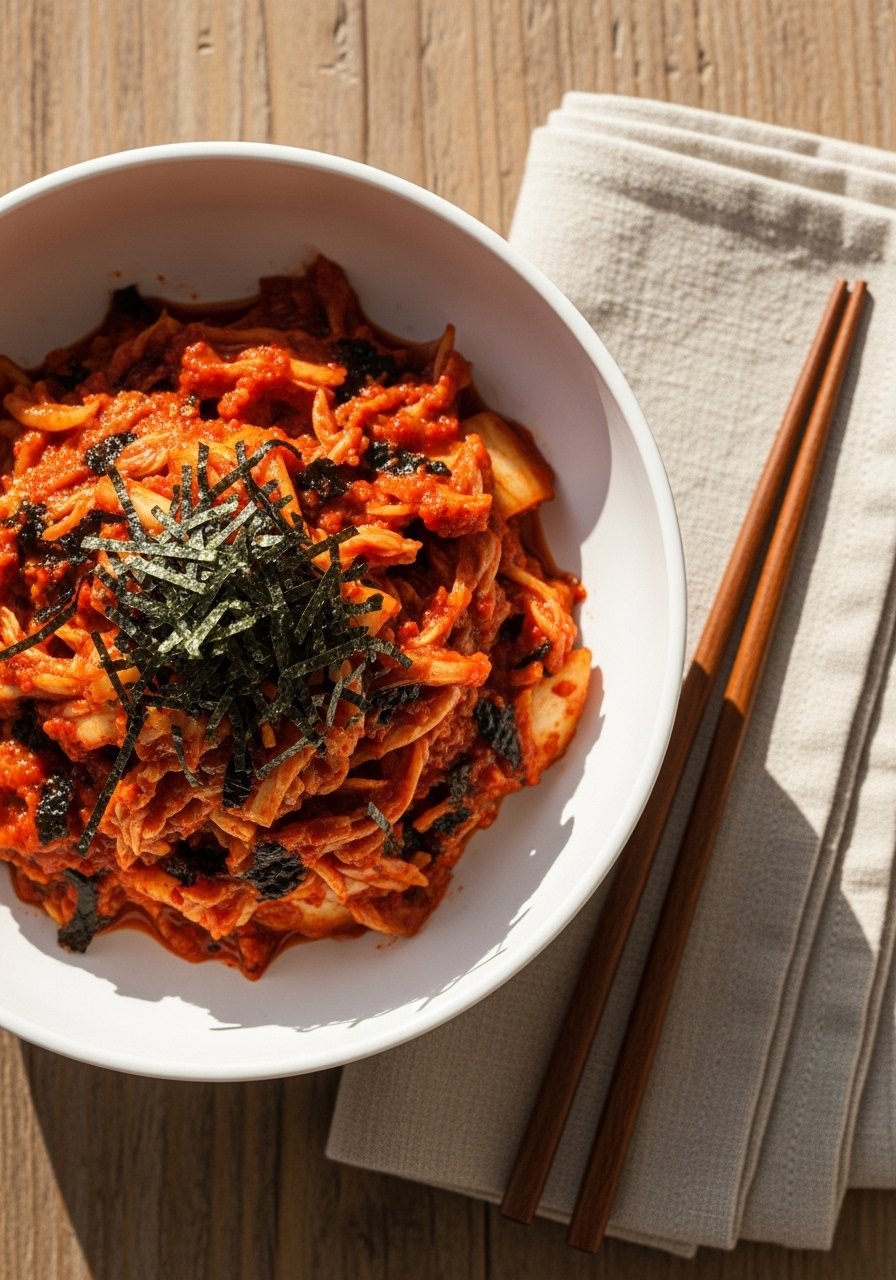
Shredded nori and kelp powder offer a marine-savory lift, making this a true kimchi recipe without fish sauce that still tastes oceanic. It’s light, tangy, and great on seafood-free sushi bowls.
Ingredients
- 1 head napa cabbage, chopped
- 1/4 cup kosher salt
- 1/2 cup gochugaru
- 3 tbsp soy sauce
- 2 tbsp kelp powder
- 2 sheets toasted nori, shredded
- 1 tbsp sugar
- 4 cloves garlic, minced
- 2 scallions, sliced
Instructions
- Salt cabbage for 1–2 hours, rinse and drain.
- Mix gochugaru, soy sauce, kelp powder, sugar, and garlic to form paste.
- Toss cabbage, nori, and scallions with paste. Use a mixing bowl set for easy tossing.
- Pack into jars tightly, leaving headspace.
- Ferment 24–72 hours at room temp, then refrigerate.
- Best within 1 month.
How to Serve It
Sprinkle with sesame seeds and serve beside rice or tofu. Store in mason jars.
6. Low-Sodium Kimchi — gentler on the salt
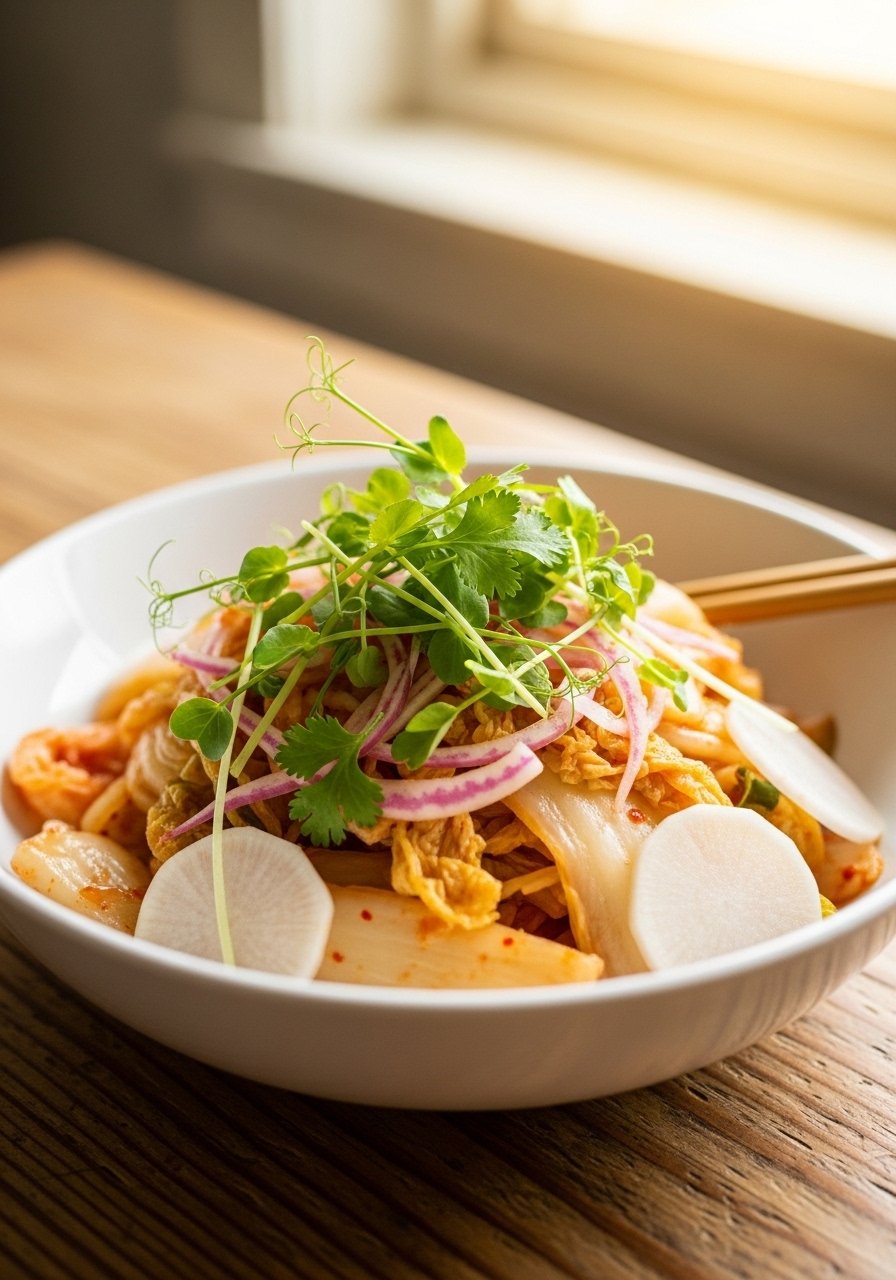
If you’re watching sodium but still want fermented flavor, this low-sodium kimchi uses reduced salt brine plus anchoring miso and toasted sesame for depth—no fish sauce included.
Ingredients
- 1 medium napa cabbage, chopped
- 1/3 cup kosher salt (reduced)
- 1/2 cup gochugaru
- 3 tbsp white miso
- 2 tbsp rice vinegar
- 4 cloves garlic, minced
- 1 tbsp grated ginger
- 1 small carrot, julienned
- 3 scallions, sliced
Instructions
- Brine cabbage in salted water 1–1.5 hours, rinse and drain well.
- Mix gochugaru, miso, vinegar, garlic, and ginger.
- Toss cabbage and carrots with paste until evenly coated.
- Pack into jars tightly. Press out air pockets using a fermenting weight.
- Ferment 24–48 hours, then refrigerate.
- Keep refrigerated; use within 3 weeks.
How to Serve It
Serve as a lighter side with fish-free protein substitutes. Store in airtight containers.
7. Cucumber Kimchi (Oi Kimchi) — crunchy & fresh
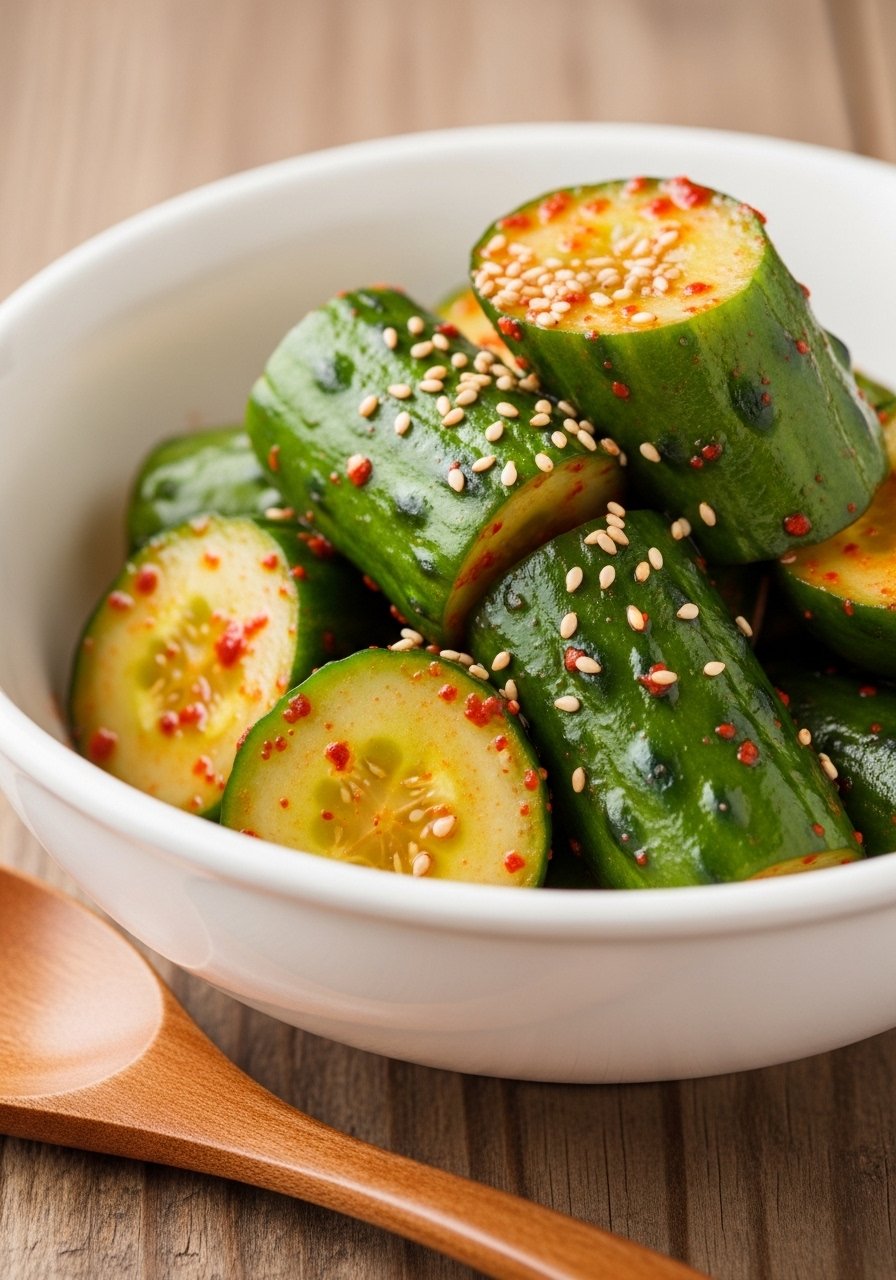
Cucumber kimchi stays crisp and is quick to make. This no-fish version uses tamari and toasted sesame to give you savory layers without seafood.
Ingredients
- 4 Persian cucumbers, thinly sliced
- 1 tsp salt
- 2 tbsp gochugaru
- 2 tbsp tamari
- 1 tbsp rice vinegar
- 1 tbsp sesame oil
- 2 cloves garlic, minced
- 1 tsp sugar
- 2 scallions, sliced
Instructions
- Toss cucumbers with salt and let sit 20 minutes, then drain.
- Whisk gochugaru, tamari, vinegar, sesame oil, garlic, and sugar.
- Mix cucumbers and scallions with dressing.
- Pack into jar and refrigerate at least 6 hours before serving.
- Keeps in fridge up to 1 week.
- Use a salad spinner to remove excess cucumber water if you prefer extra crispness.
How to Serve It
Serve chilled with cold noodles or as a crunchy side. Store in airtight containers.
8. Radish (Kkakdugi) — big cube kimchi without fish
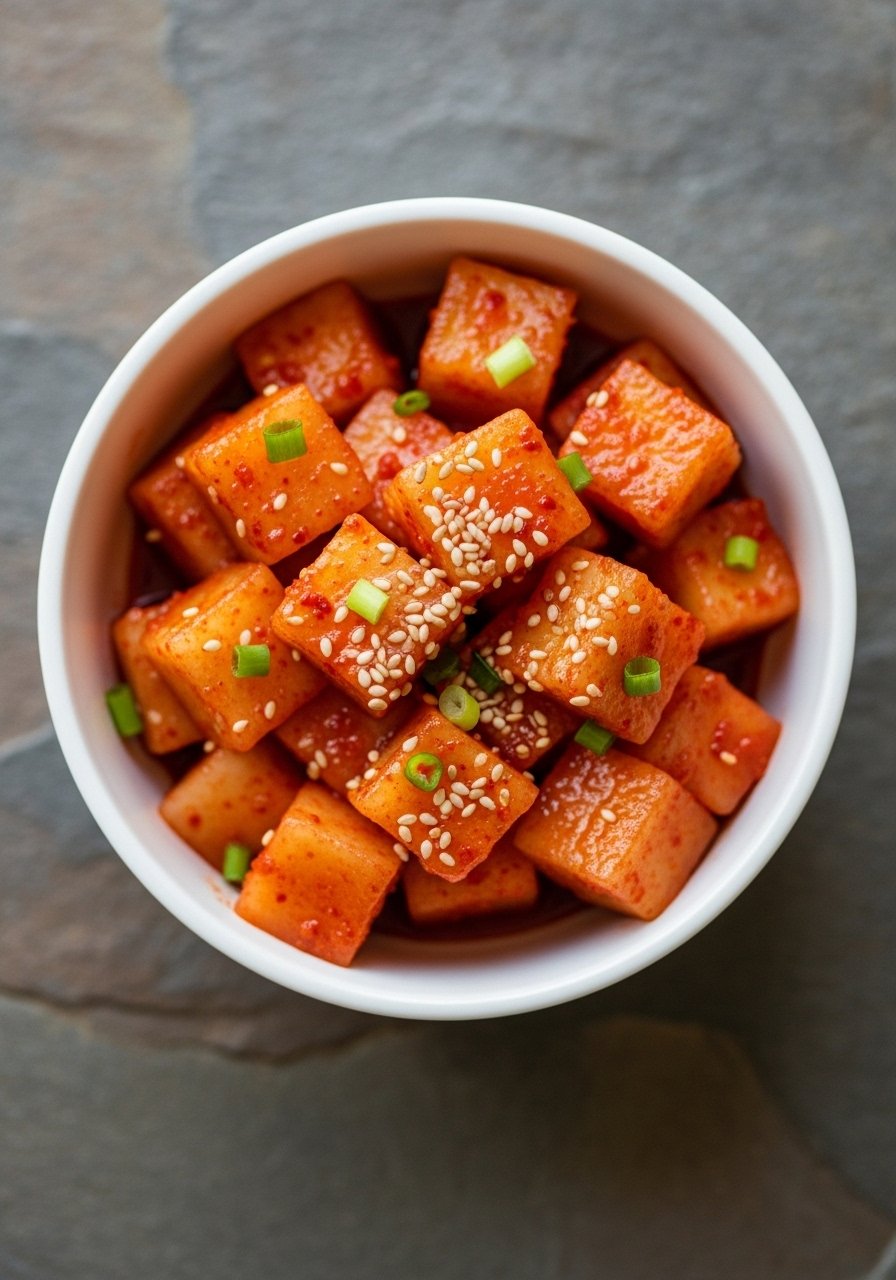
Kkakdugi uses crisp Korean radish and is a favorite with soups. This version skips fish sauce and leans on anchovy-free miso and shiitake to bring savory depth.
Ingredients
- 2 large Korean radishes (or daikon), peeled and 1-inch cubes
- 2 tbsp salt
- 1/3 cup gochugaru
- 2 tbsp white miso
- 1 tbsp sugar
- 4 cloves garlic, minced
- 1 tbsp grated ginger
- 2 scallions, chopped
Instructions
- Toss radish cubes with salt and sit 1 hour, drain.
- Mix gochugaru, miso, sugar, garlic, and ginger.
- Combine paste with radish and scallions.
- Pack into jars, leaving headspace.
- Ferment 2–3 days at room temp, then refrigerate.
- Check texture; radish should still be crisp when ready.
How to Serve It
Perfect with hearty soups or stews. Store in mason jars in the fridge for up to 2 months.
9. Green Apple Kimchi — sweet-tart twist
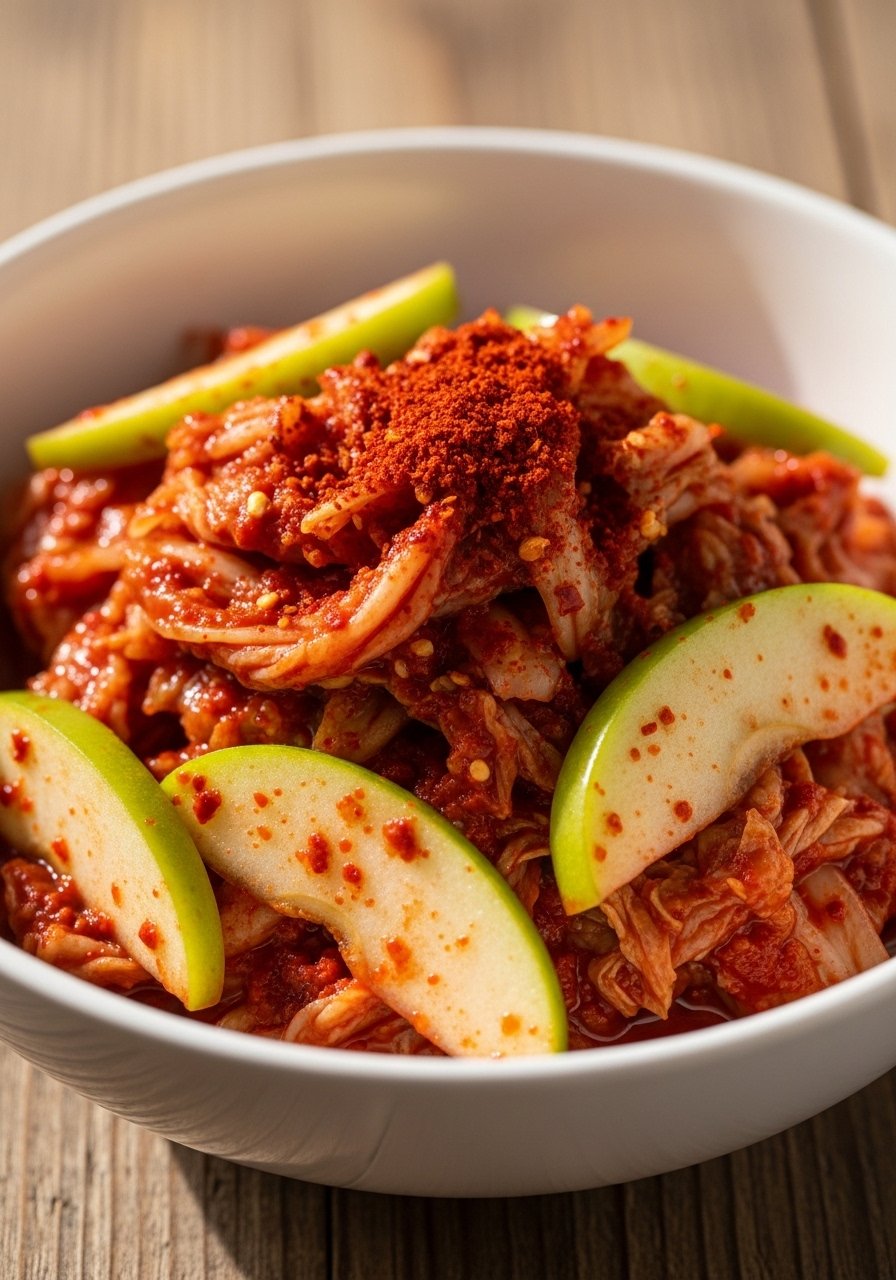
Adding green apple gives natural sugar and tartness, helping to balance spice without fish sauce. It brightens flavors, producing a lively kimchi ideal for summer.
Ingredients
- 1 head napa cabbage, chopped
- 1/4 cup kosher salt
- 1/2 cup gochugaru
- 1/4 cup grated green apple
- 3 tbsp soy sauce
- 2 tbsp rice vinegar
- 4 cloves garlic, minced
- 1 tbsp grated ginger
- 2 scallions, chopped
Instructions
- Brine cabbage 1–2 hours, rinse and drain.
- Stir gochugaru, apple, soy sauce, vinegar, garlic, and ginger into a paste.
- Mix paste with cabbage and scallions.
- Press into jars and ferment 24–48 hours at room temp before chilling.
- Store refrigerated; best within 1 month.
- Use a microplane grater for the apple and ginger.
How to Serve It
Great on pork or in sandwiches. Store in airtight containers.
10. Garlic-Heavy Kimchi — for garlic lovers
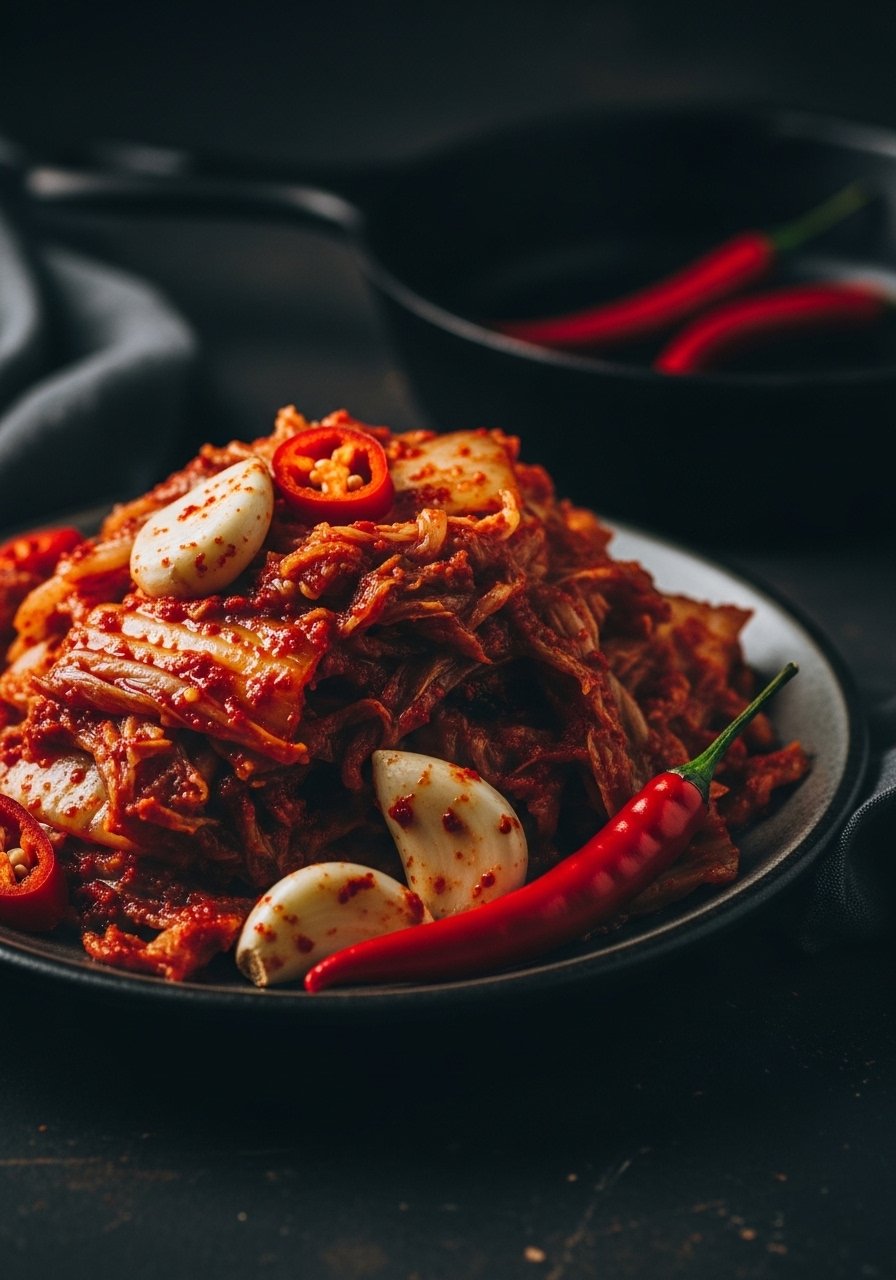
If you adore garlic, this bold kimchi doubles down without fish sauce. Roasted garlic adds mellow sweetness while raw garlic keeps it punchy.
Ingredients
- 1 napa cabbage, chopped
- 1/4 cup kosher salt
- 1/2 cup gochugaru
- 8 cloves garlic, minced (plus 6 cloves roasted)
- 2 tbsp miso
- 2 tbsp soy sauce
- 2 tbsp rice vinegar
- 2 scallions, sliced
- 1 tsp sugar
Instructions
- Roast 6 garlic cloves at 375°F (190°C) for 20 minutes until soft.
- Brine cabbage 1.5 hours, rinse and drain.
- Mix gochugaru, minced garlic, roasted garlic (mashed), miso, soy sauce, vinegar, and sugar.
- Toss with cabbage and scallions. Use a silicone spatula to combine.
- Pack into jars and ferment 24–48 hours, then refrigerate.
- Let rest 24 hours before heavy tasting.
How to Serve It
Pairs well with grilled proteins and garlic butter noodles. Store in mason jars.
11. Kimchi Pancakes (Buchimgae) — fish-free batter
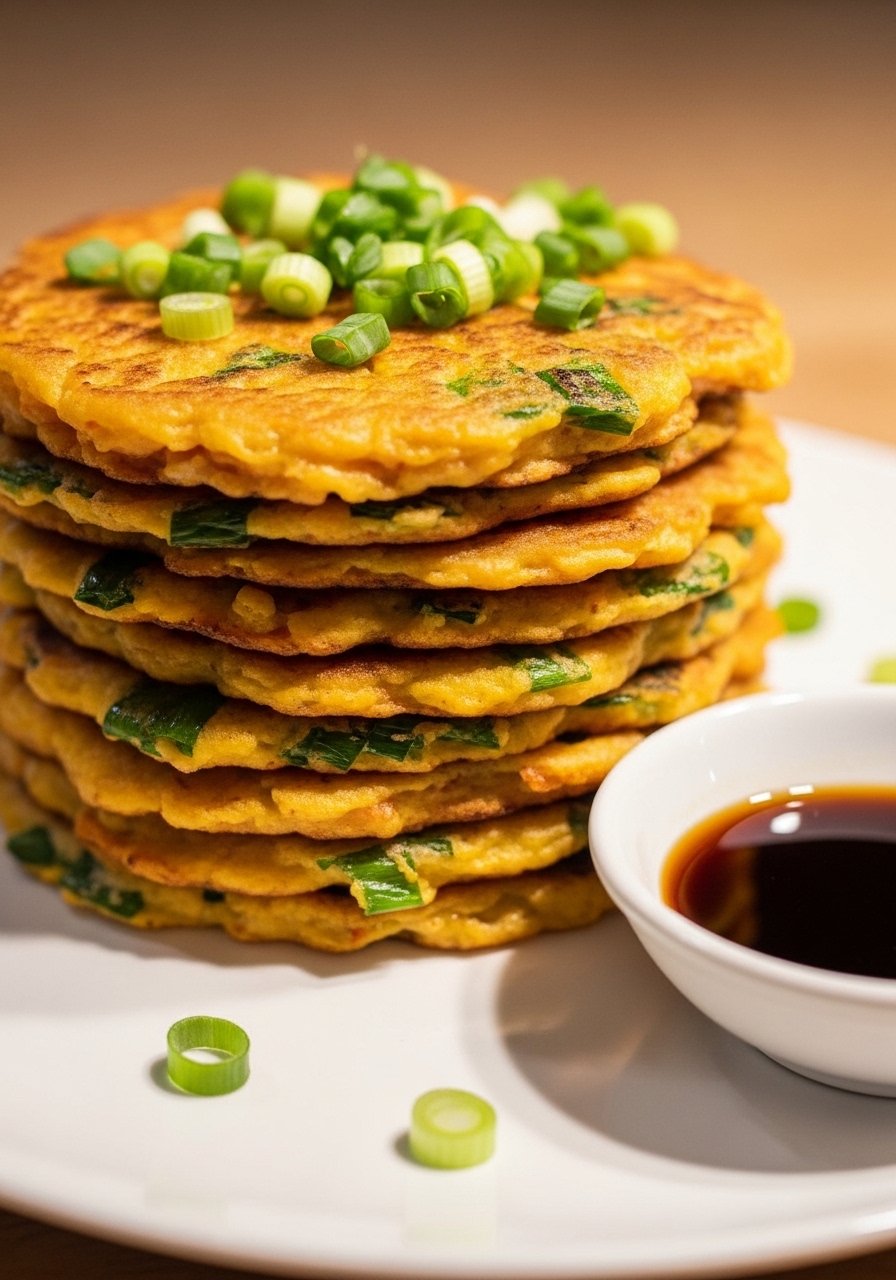
Use your kimchi as an ingredient: these pancakes use a kimchi recipe without fish sauce (or store-bought vegan kimchi) folded into batter for crisp, savory pancakes.
Ingredients
- 1 cup all-purpose flour
- 3/4 cup cold water
- 1 egg (or flax egg for vegan)
- 1 cup chopped kimchi, drained and chopped
- 1/2 cup scallions, sliced
- 1 tsp salt
- 1/2 tsp baking powder
- 2 tbsp vegetable oil for frying
- Sesame seeds for garnish
Instructions
- Whisk flour, water, egg, salt, and baking powder into a batter.
- Fold in kimchi and scallions. Squeeze excess liquid to keep batter thick.
- Heat a non-stick skillet over medium heat and add oil.
- Spoon batter to form pancakes (~3–4 inches) and flatten lightly.
- Cook 3–4 minutes per side until golden and crispy.
- Drain on paper towels and serve hot.
How to Serve It
Serve with soy-vinegar dipping sauce and extra kimchi on the side. Store leftovers in airtight containers and reheat in a skillet for best texture.
12. Kimchi Fried Rice — vegetarian-friendly
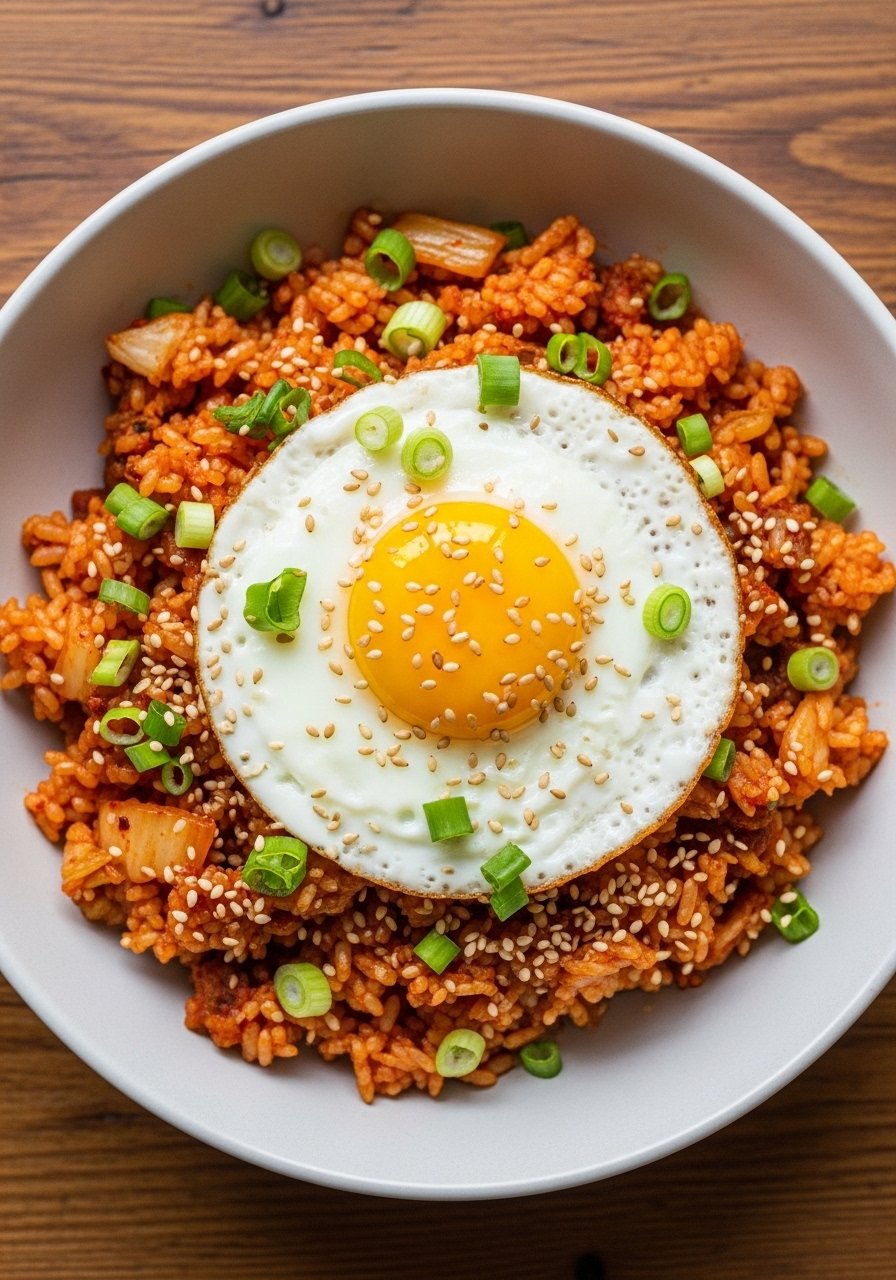
Fried rice gets a flavor boost from kimchi without fish sauce. This version uses tamari and toasted sesame oil for savory richness.
Ingredients
- 3 cups day-old cooked rice (cold)
- 1 cup chopped kimchi
- 1 tbsp kimchi juice (optional)
- 2 tbsp tamari
- 1 tbsp sesame oil
- 2 cloves garlic, minced
- 1 small onion, diced
- 2 eggs, beaten (omit for vegan)
- 2 tbsp vegetable oil
- 2 scallions, sliced
Instructions
- Heat oil in a cast iron skillet over medium-high.
- Sauté onion and garlic until translucent (2–3 minutes).
- Add kimchi and cook 3 minutes until fragrant.
- Push to one side; scramble eggs on the other side.
- Add rice, tamari, sesame oil, and kimchi juice. Stir-fry until heated through and slightly crisp (5–7 minutes).
- Finish with scallions and serve hot.
How to Serve It
Top with a fried egg and extra kimchi. Store leftovers in glass meal prep containers for 3–4 days.
13. Keto Cabbage Kimchi — low-carb & tangy
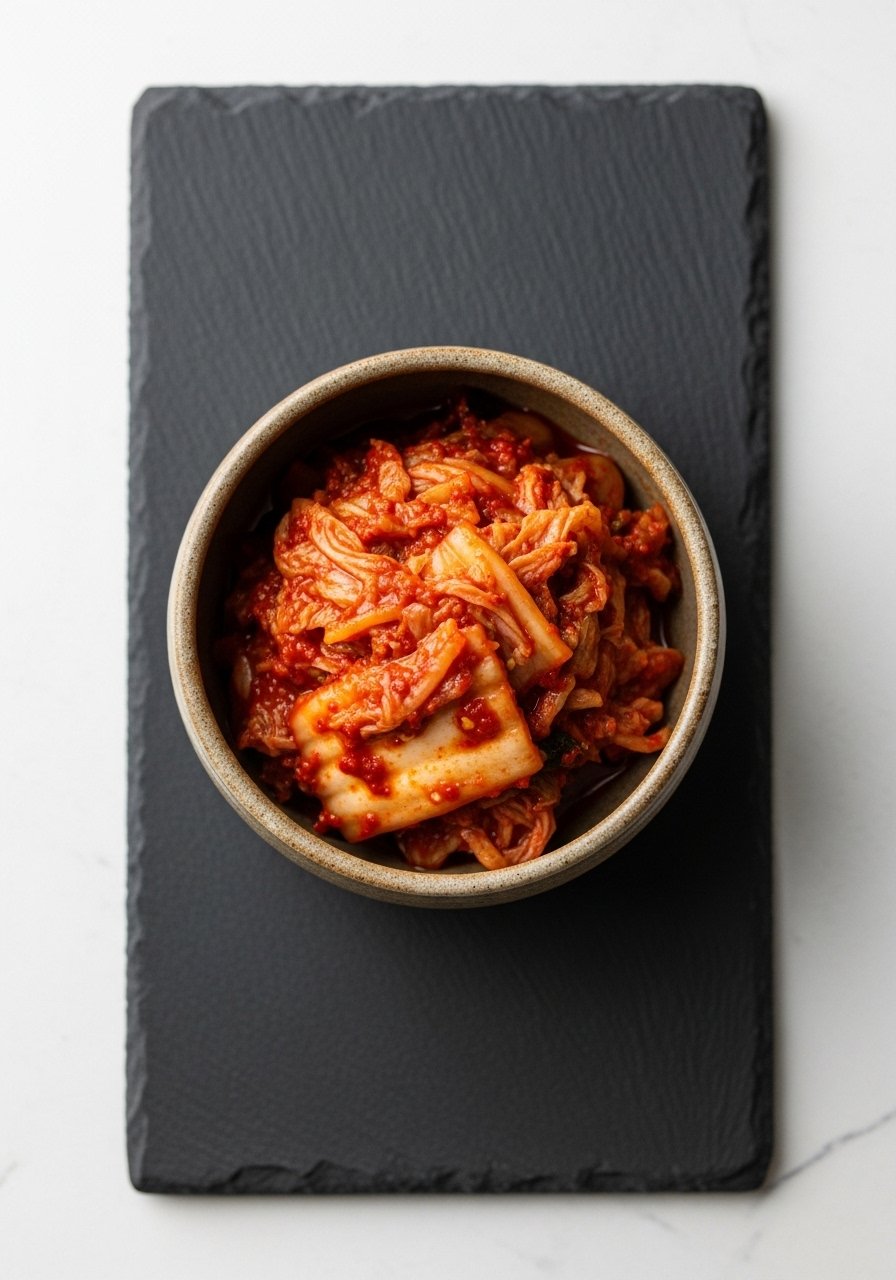
This keto-friendly kimchi skips sugary additives and fish sauce, relying on tamari and kelp to provide umami. It’s great if you avoid carbs but want fermented heat.
Ingredients
- 1 head napa cabbage, chopped
- 1/4 cup kosher salt
- 1/2 cup gochugaru
- 3 tbsp tamari
- 2 tbsp kelp powder
- 4 cloves garlic, minced
- 1 tbsp grated ginger
- 2 scallions, sliced
Instructions
- Salt cabbage for 1–2 hours, rinse and drain.
- Combine gochugaru, tamari, kelp powder, garlic, and ginger.
- Toss cabbage and scallions with paste.
- Pack into jars and ferment 24–48 hours before refrigerating.
- Keep chilled; best within 1 month.
- Use a kitchen scale if you’re tracking macros.
How to Serve It
Serve with grilled meats or keto bowls. Store in airtight containers.
14. Miso-Forward Kimchi — deep umami, no fish
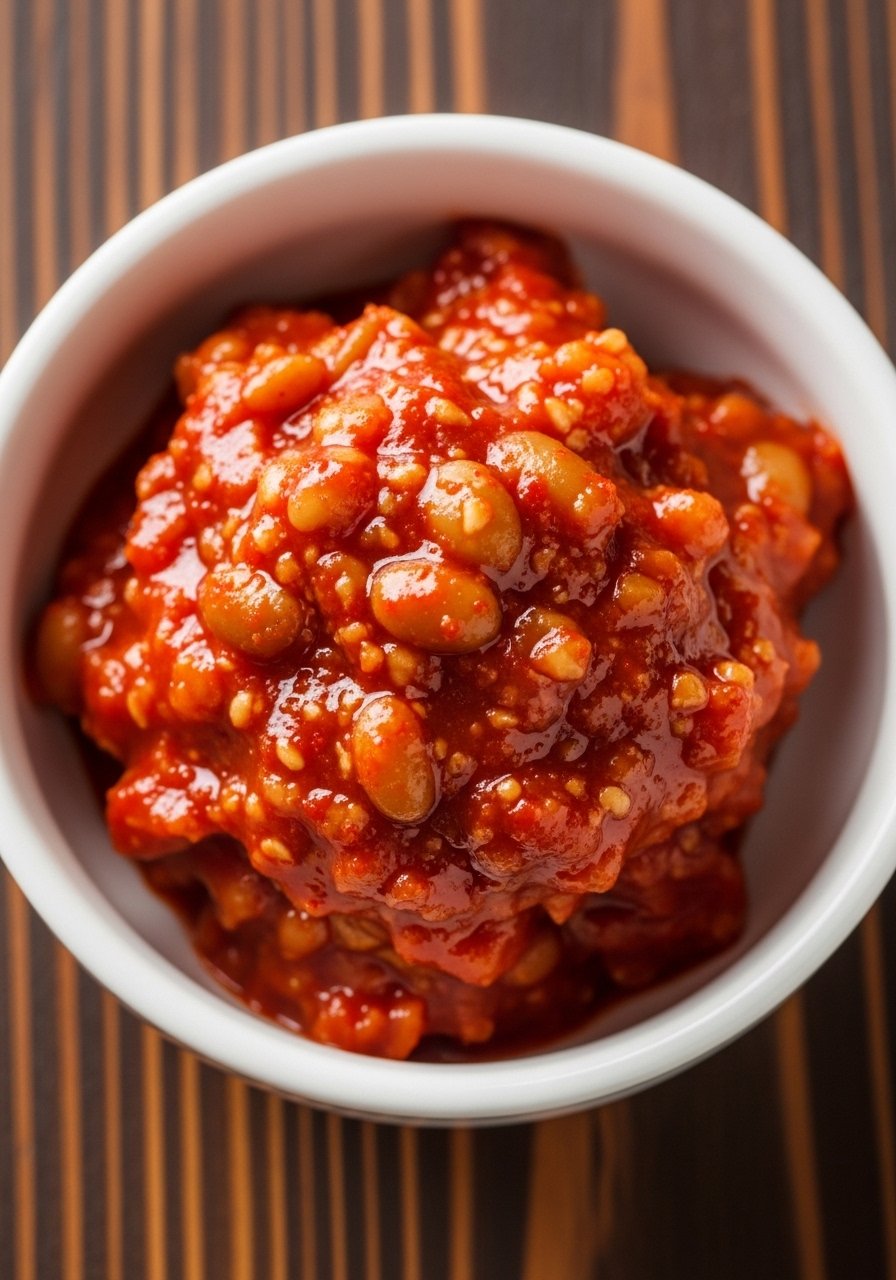
Miso paste adds fermented depth and saltiness that mimics the complexity fish sauce brings. This variant is rich and slightly sweeter.
Ingredients
- 1 napa cabbage, chopped
- 1/4 cup kosher salt
- 1/3 cup gochugaru
- 1/4 cup red miso
- 2 tbsp rice syrup
- 4 cloves garlic, minced
- 1 tbsp grated ginger
- 2 scallions, sliced
Instructions
- Brine cabbage 1–2 hours, rinse and drain.
- Mix gochugaru, red miso, rice syrup, garlic, and ginger.
- Combine with cabbage and scallions.
- Pack into jars and ferment 24–72 hours depending on desired tang.
- Chill and store; best within 1 month.
- Use a rubber spatula to scrape miso paste easily.
How to Serve It
Mix into dressings for salads or add to roasted veg. Store in mason jars.
15. Korean-Style Kimchi Slaw — crunchy topping

Turn kimchi into a crunchy slaw for tacos or burgers. This riff uses rice vinegar and miso for depth—no fish sauce required.
Ingredients
- 3 cups shredded cabbage (mix green and purple)
- 1 cup chopped kimchi
- 1/4 cup rice vinegar
- 2 tbsp white miso
- 1 tbsp sesame oil
- 1 tbsp honey
- 2 scallions, thinly sliced
- 1/4 cup shredded carrot
Instructions
- Whisk vinegar, miso, sesame oil, and honey into a dressing.
- Toss cabbage, kimchi, carrots, and scallions with dressing.
- Let sit 20–30 minutes to soften slightly.
- Serve chilled.
- Keeps in fridge up to 5 days in airtight containers.
- Use a salad tongs set for serving.
How to Serve It
Top tacos, grain bowls, or sandwiches. Add crushed peanuts for crunch and lime wedges for brightness.
16. Korean BBQ Kimchi Marinade — versatile sauce
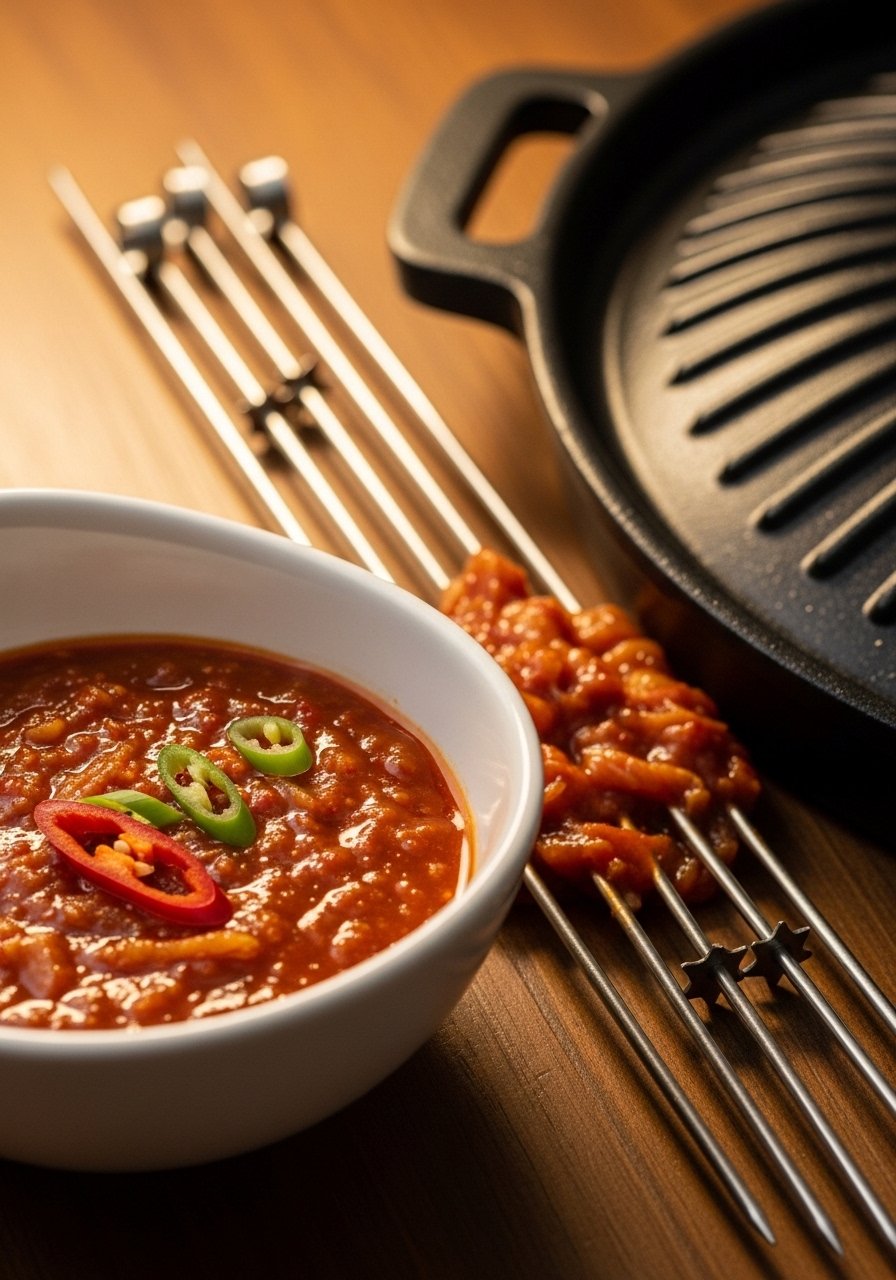
Puree kimchi into a punchy marinade for vegetables or tofu. This no-fish marinade uses soy and miso for body and pairs great with smoky grilled flavors.
Ingredients
- 1 cup chopped kimchi
- 2 tbsp gochugaru
- 3 tbsp tamari
- 2 tbsp rice syrup
- 1 tbsp sesame oil
- 2 cloves garlic
- 1 tbsp grated ginger
- 2 tbsp water
Instructions
- Blend all ingredients in a blender until smooth.
- Marinate tofu, tempeh, or vegetables 30 minutes–2 hours.
- Grill or roast as desired.
- Baste during cooking for deeper color.
- Use leftover marinade as a dipping sauce after cooking.
- Store refrigerated in glass jars up to 1 week.
How to Serve It
Brush on skewers or use as a glaze. Serve with rice and fresh scallions.
17. Kimchi Ramen — umami bowl sans fish sauce
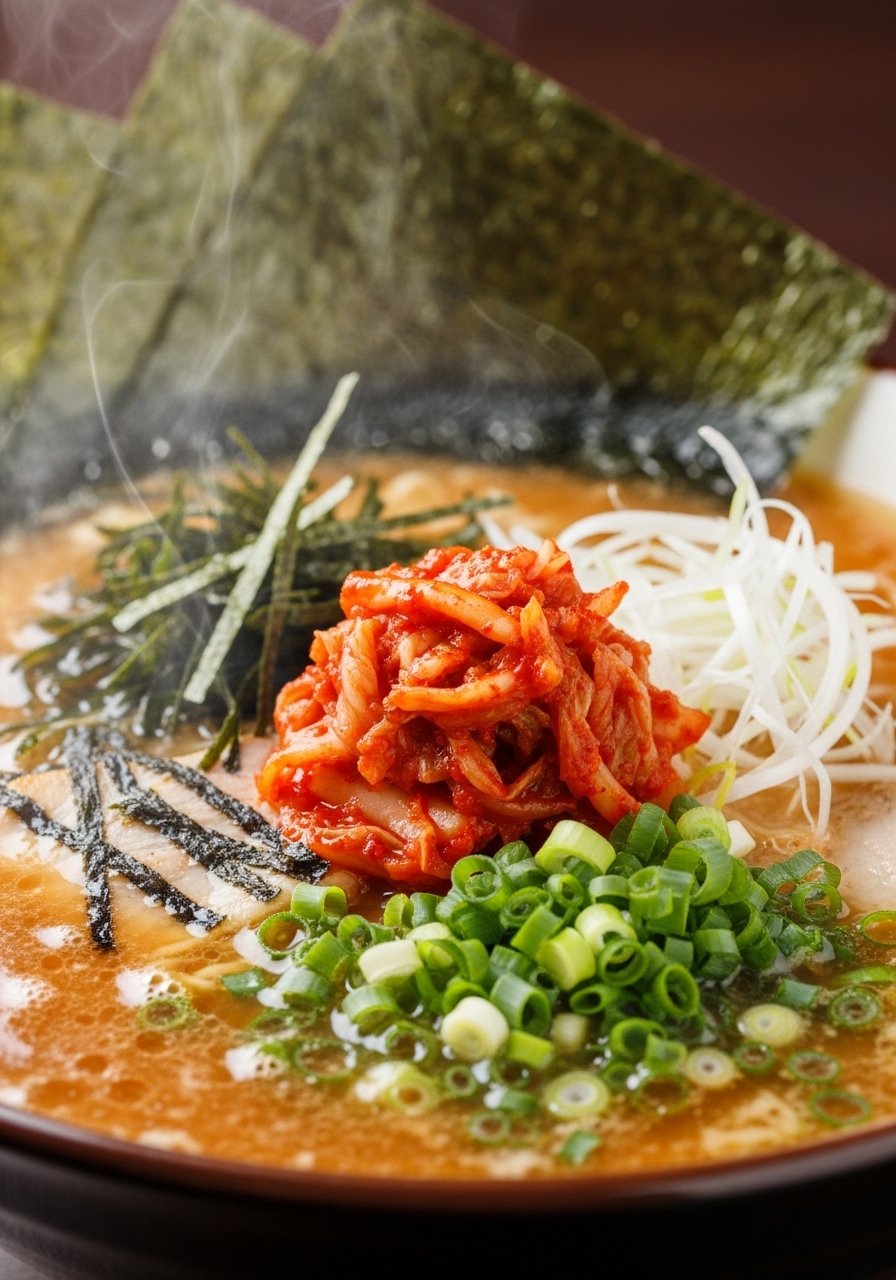
Make an umami-rich ramen broth using shiitake and miso instead of fish sauce. This bowl is warming and deeply savory.
Ingredients
- 4 cups vegetable broth
- 1 cup chopped kimchi
- 2 tbsp miso paste
- 1 cup sliced shiitake mushrooms
- 2 packages ramen noodles (discard seasoning for fish-free)
- 2 cloves garlic, minced
- 1 tbsp soy sauce
- 1 tbsp sesame oil
- 2 eggs (optional)
Instructions
- Sauté garlic and shiitake in sesame oil in a saucepan for 3–4 minutes.
- Add vegetable broth, miso, soy sauce, and kimchi. Simmer 10 minutes.
- Cook noodles separately per package, drain.
- Assemble bowls with noodles, ladle broth and toppings, add soft-boiled egg if desired (use an instant-read thermometer to check egg doneness).
- Garnish with nori and scallions.
- Serve immediately.
How to Serve It
Perfect for chilly nights; store leftover broth in airtight containers for up to 3 days.
18. Kimchi Tofu Stir-Fry — quick weeknight dinner

Tofu soaks up kimchi’s tang. This stir-fry uses a kimchi recipe without fish sauce, making it vegan-friendly and fast.
Ingredients
- 14 oz firm tofu, pressed and cubed
- 1 cup chopped kimchi
- 1 tbsp kimchi juice
- 1 red bell pepper, sliced
- 2 tbsp tamari
- 1 tbsp sesame oil
- 2 cloves garlic, minced
- 1 tbsp vegetable oil
- 2 scallions, sliced
Instructions
- Press tofu for 15–20 minutes using a tofu press or heavy plate.
- Heat oil in a skillet and brown tofu 3–4 minutes per side. Remove and set aside.
- Sauté garlic and bell pepper 2 minutes.
- Add kimchi, kimchi juice, tamari, and sesame oil. Cook 3–4 minutes.
- Return tofu and toss to coat, heat through.
- Finish with scallions and serve hot.
How to Serve It
Serve over rice or noodles. Store in glass meal prep containers for up to 4 days.
19. Kimchi Hummus — fusion dip
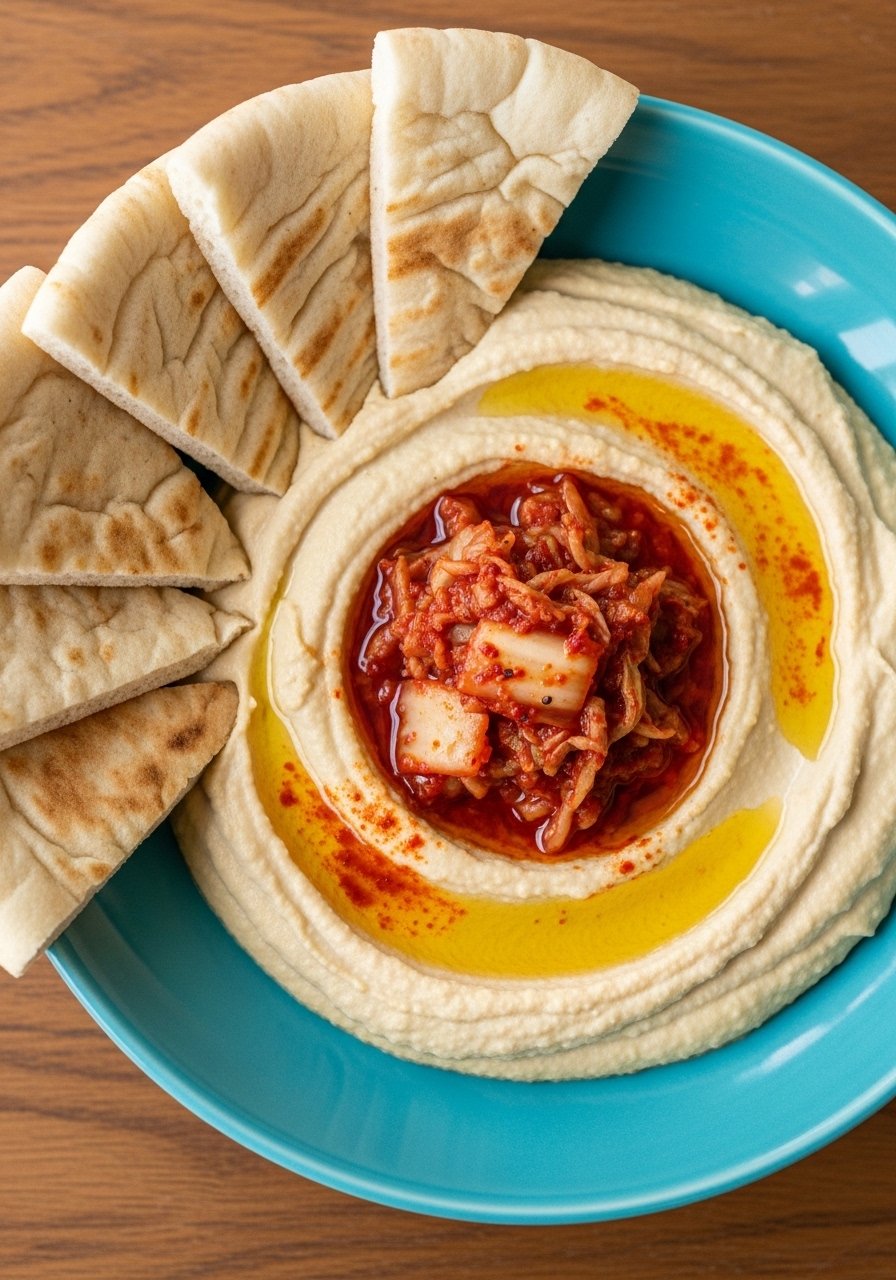
Blend kimchi into hummus for tangy, spicy dips without fish sauce. This makes a great party appetizer with Middle Eastern flair.
Ingredients
- 1 can (15 oz) chickpeas, drained
- 1/2 cup chopped kimchi
- 2 tbsp kimchi juice
- 2 tbsp tahini
- 2 tbsp lemon juice
- 1 clove garlic
- 1/4 tsp cumin
- 2 tbsp olive oil
- Salt to taste
Instructions
- Combine all ingredients in a food processor.
- Process until smooth, adding water a tablespoon at a time to reach desired texture.
- Adjust seasoning.
- Transfer to a bowl and drizzle with olive oil.
- Chill 30 minutes for flavors to meld.
- Serve with pita or veggies.
How to Serve It
Garnish with extra chopped kimchi and sesame seeds. Store in airtight containers for up to 4 days.
20. Kimchi Grilled Cheese — tangy melty sandwich

Kimchi adds acidity and heat to a classic grilled cheese. Use vegan kimchi and vegan cheese for a plant-based version with no fish sauce.
Ingredients
- 8 slices sourdough bread
- 1 cup chopped kimchi, drained
- 8 oz cheddar or vegan cheddar, sliced
- 4 tbsp butter or vegan spread, room temp
- 2 tsp sesame oil (optional)
- 1/4 cup sliced scallions
Instructions
- Butter one side of each bread slice.
- Layer cheese, kimchi, and scallions between bread with buttered sides out.
- Heat a griddle pan over medium heat.
- Cook sandwiches 3–4 minutes per side until golden and cheese melts. Press gently with spatula.
- Slice and serve hot.
- Use an offset spatula for easy flipping.
How to Serve It
Pair with tomato soup or pickles. Wrap leftovers in foil and store in airtight containers for reheating.
21. Fermented Kimchi Salsa — spicy topping
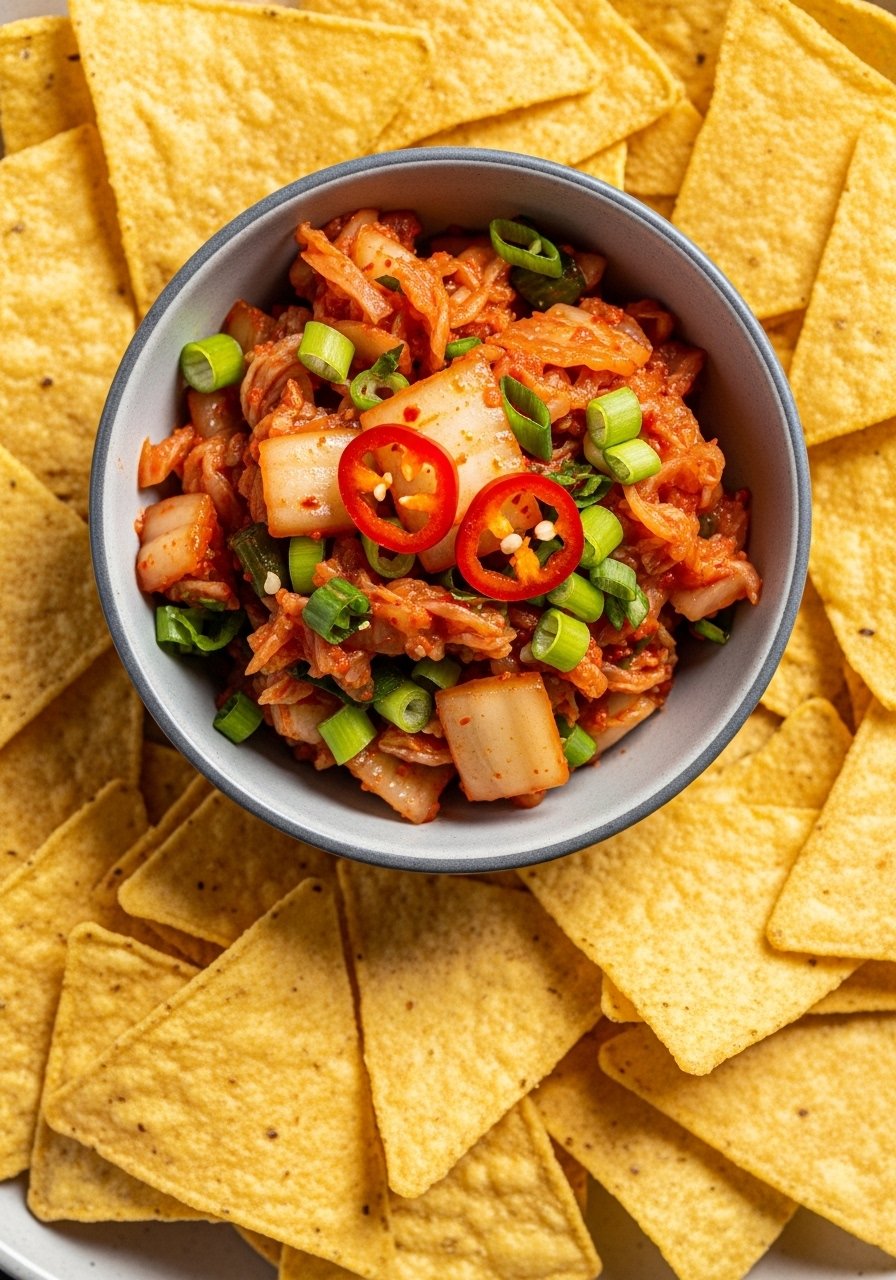
Swap pico for kimchi salsa. This fermented kick works without fish sauce and lifts tacos, nachos, and grilled veggies beautifully.
Ingredients
- 1 cup chopped kimchi
- 1/2 small red onion, finely diced
- 1/2 cup cherry tomatoes, quartered
- 1 tbsp lime juice
- 2 tbsp cilantro, chopped
- 1 tsp honey
- Salt to taste
Instructions
- Mix all ingredients in a bowl.
- Adjust lime and honey to balance heat.
- Let sit 15–30 minutes for flavors to marry.
- Serve immediately or refrigerate up to 5 days.
- Use a citrus squeezer for fresh lime juice.
- Scoop with sturdy chips.
How to Serve It
Top tacos, grilled corn, or use as a dip with chips. Store in airtight containers.
22. Pumpkin Kimchi — autumnal twist

Roasted pumpkin adds sweetness and thickness, pairing nicely with kimchi’s spice. No fish sauce here—just cozy, seasonal flavor.
Ingredients
- 2 cups roasted pumpkin, 1-inch cubes
- 1 cup chopped napa cabbage kimchi
- 2 tbsp gochugaru
- 1 tbsp miso
- 1 tbsp rice vinegar
- 1 tsp sesame oil
- 2 cloves garlic, minced
- 1 scallion, sliced
Instructions
- Roast pumpkin cubes at 400°F (200°C) for 20–25 minutes until tender. Cool.
- Mix kimchi, gochugaru, miso, vinegar, sesame oil, and garlic.
- Toss in roasted pumpkin and scallion gently.
- Serve warm or chilled.
- Store in glass meal prep containers for up to 5 days.
- Reheat gently to avoid breaking pumpkin cubes.
How to Serve It
Serve with roasted pork or as a side to grain bowls. Garnish with toasted pepitas.
23. Citrus Kimchi — bright & refreshing
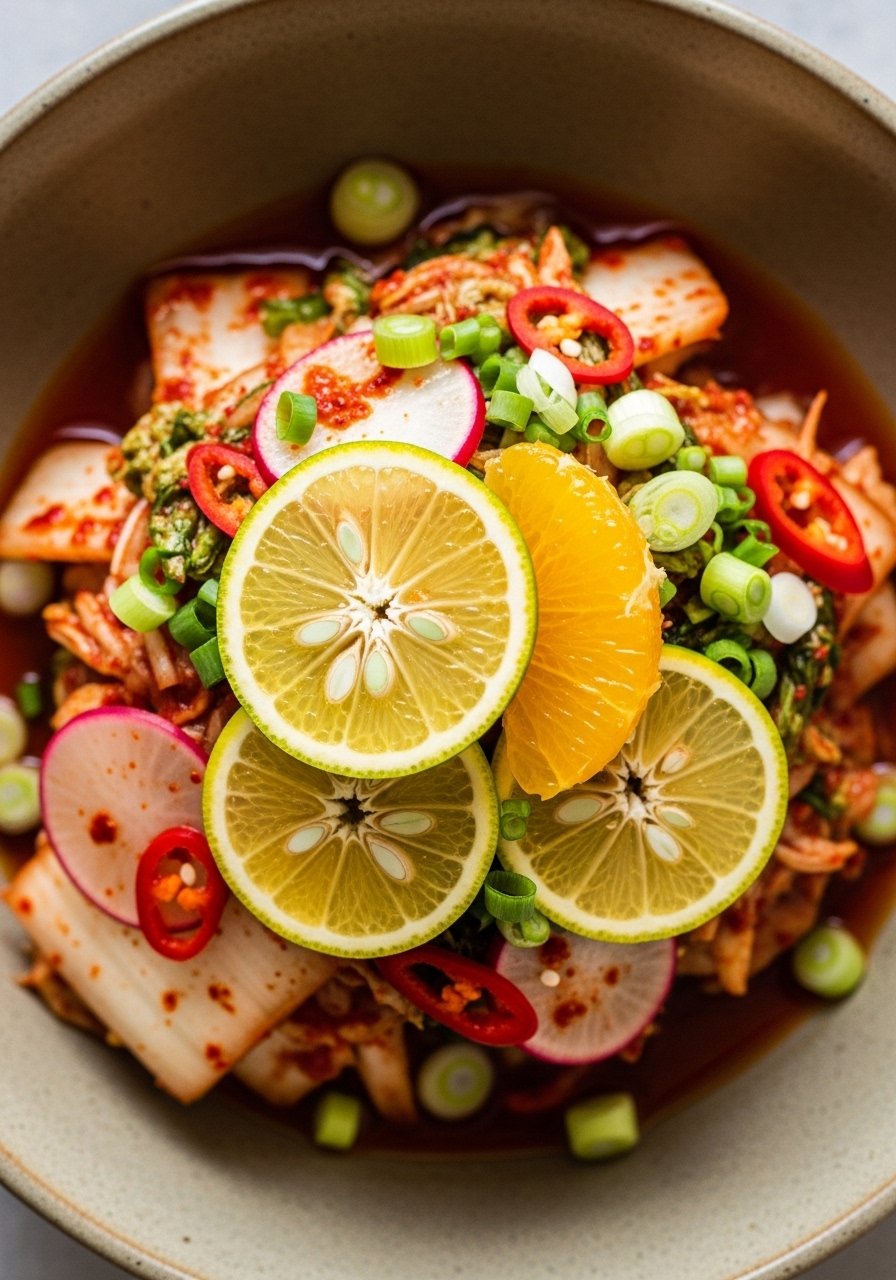
Citrus brightens kimchi and replaces some of the briny notes fish sauce gives. This version is aromatic, lively, and excellent with grilled dishes.
Ingredients
- 1 head napa cabbage, chopped
- 1/4 cup kosher salt
- 1/2 cup gochugaru
- 2 tbsp soy sauce
- 2 tbsp orange juice (fresh)
- 1 tbsp yuzu or lemon zest
- 4 cloves garlic, minced
- 1 tbsp sugar
- 2 scallions, sliced
Instructions
- Brine cabbage 1–2 hours, rinse and drain.
- Mix gochugaru, soy sauce, orange juice, zest, garlic, and sugar.
- Toss cabbage and scallions with paste.
- Pack into jars and ferment 24–48 hours, then refrigerate.
- Check for balanced acidity; citrus fades with time.
- Use a zester for bright citrus zest.
How to Serve It
Pair with grilled chicken or fish substitutes. Store in mason jars and consume within a month.
You’ve just got 23 ways to make spectacular kimchi without fish sauce—everything from quick refrigerator versions to slow-fermented classics and playful fusion dishes. Try one that fits your time and taste: the quick cucumber kimchi for immediate crunch, the miso-forward napa for deep umami, or the kimchi pancakes when you want comfort food. Save or pin the recipes you love and share them with friends who avoid fish-based condiments. Which version will you try first?
P.S. If you plan to ferment regularly, a good set of mason jars with lids and a dependable fermentation weight set make the process neater and easier.